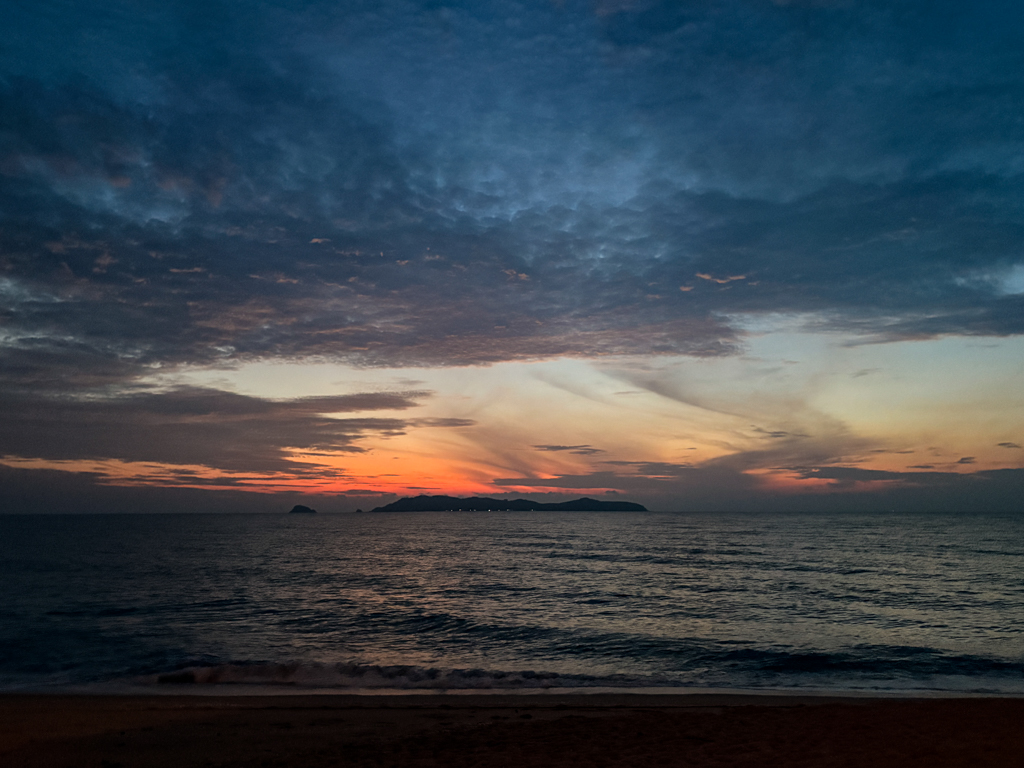
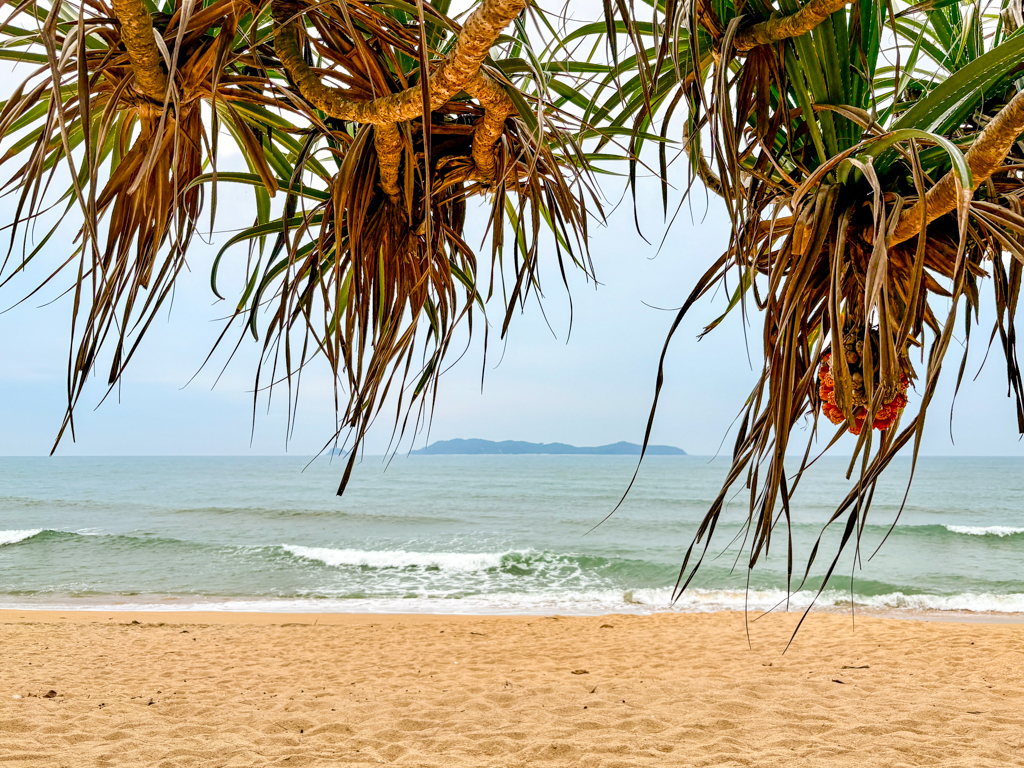
A thin film of pale light breaks through the seam of the world, where water meets sky. The light grows, so gradually it does not register. But then – it pulls the jagged contours of Pulau Kapas from the inky black. It is not an extraordinary sunrise, but as I sit on the beach overlooking the South China Sea, it is the sunrise I have allowed myself the time and patience to watch every morning. Because that’s what you do on vacation.
A call to prayer echoes through the air, blending with the crash of waves as the horizon defines itself gradually, a soft grey to the blue-black cold of the ocean. Through splits in the overcast sky, a pale orange emerges. It builds in fiery heat, a stark contrast to the grey. The dregs of my coffee grow cold as the surrounding world shifts into pastels, the cool greens and blue-greys of the ocean. And then, it is day in Marang, in the Terengganu state of Malaysia. Or as one local taxi driver describes it to us, just a fishing village.
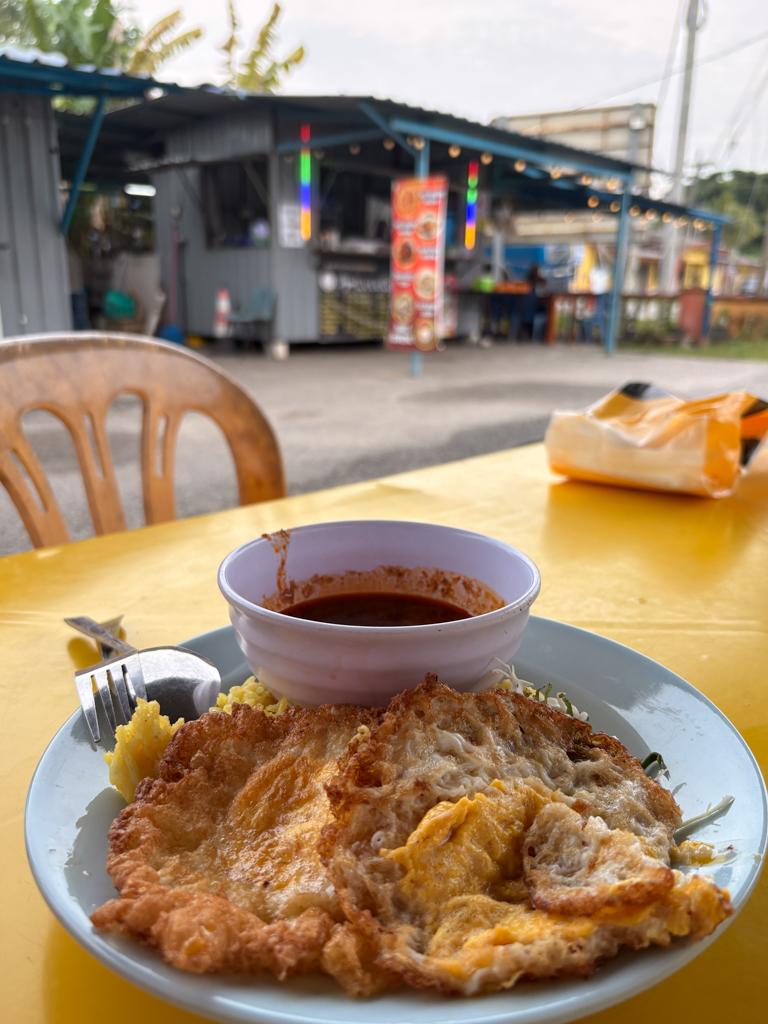
I’m here with a friend who is travelling to attend a wedding and hoped to make an adventure of it. After the sunrise, we stroll through a neighbourhood of tidy homes surrounded by yards bursting with papaya and mango trees. Along the highway, we reach a giant awning protecting rows of plastic chairs and tables. They are ringed by corrugated metal kiosks; lunch stands, dinner stands, and placed that open for a late-night snacks. There is only one open for early breakfast, and we peruse the offerings: fresh and fried rice, rice dyed blue with butterfly pea flowers, and fresh and fried noodles. There are sauces, vegetables, fish, chicken, and eggs to accompany them. We make our requests, and the women behind the counter laugh. I’m sure what we have asked for is the equivalent of requesting chocolate frosting and pickles on top of a bowl of Cheerios. These foods do not belong together, or they are not eaten at this time of day, but the chef obliges our strange requests.
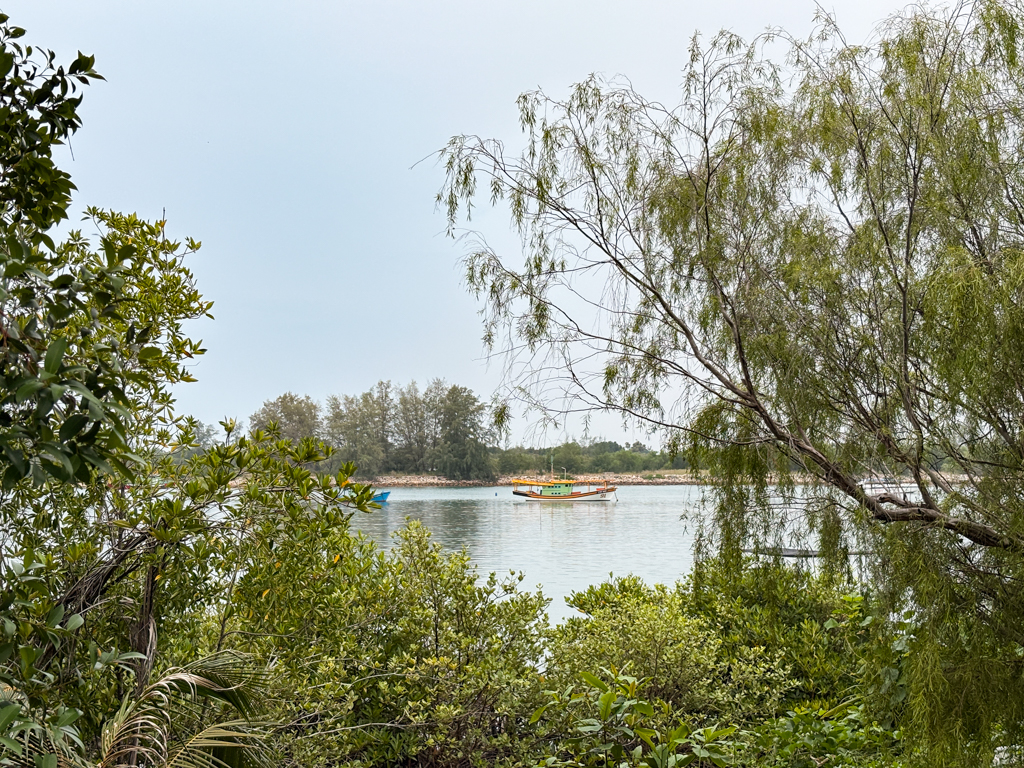
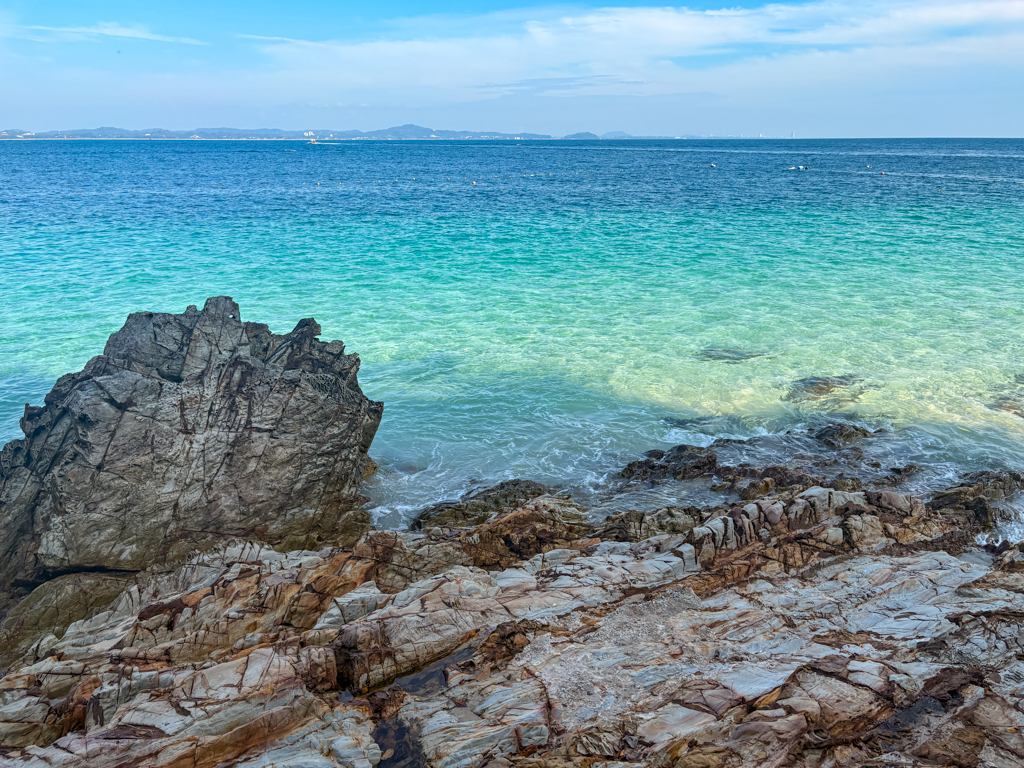
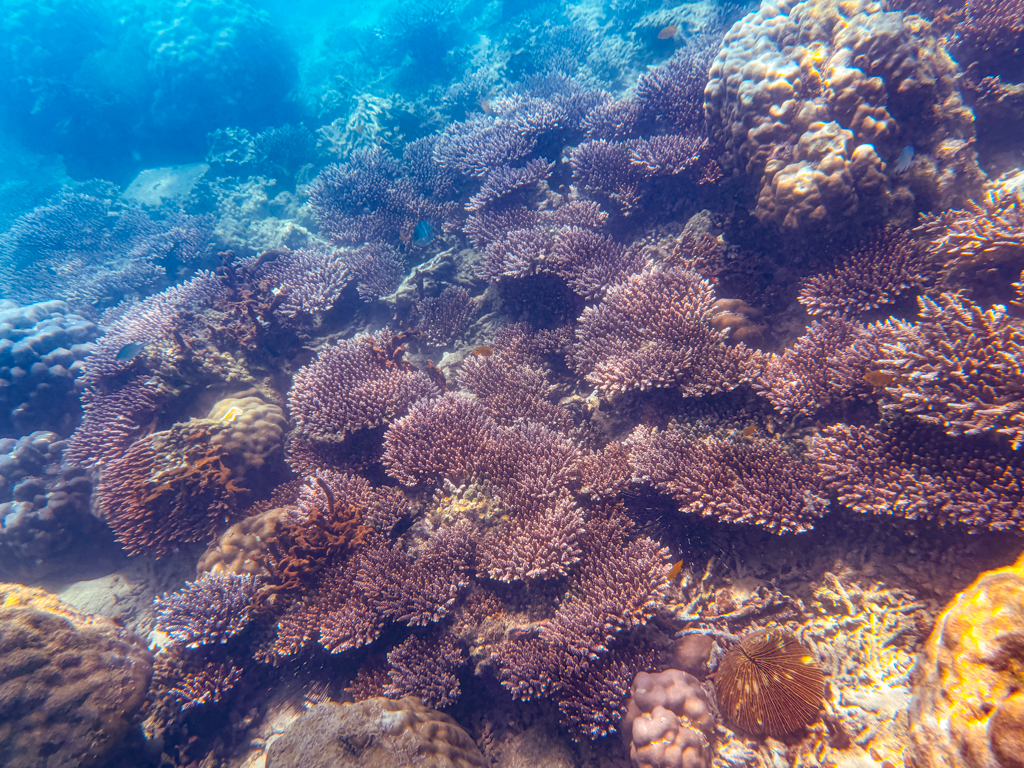
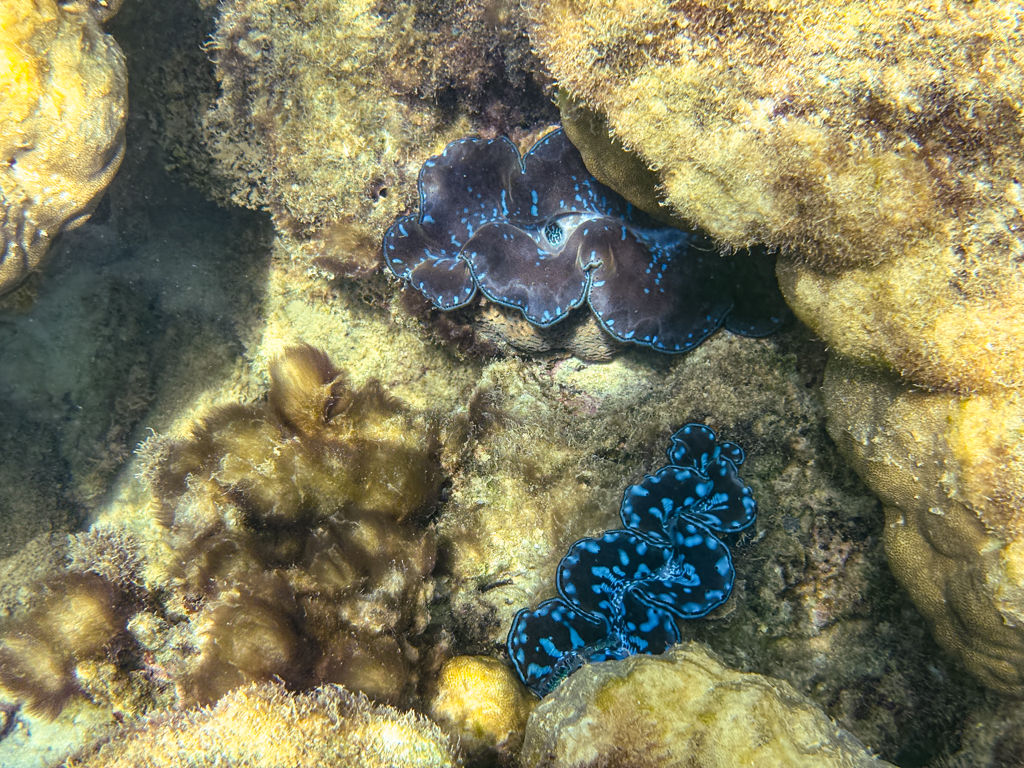
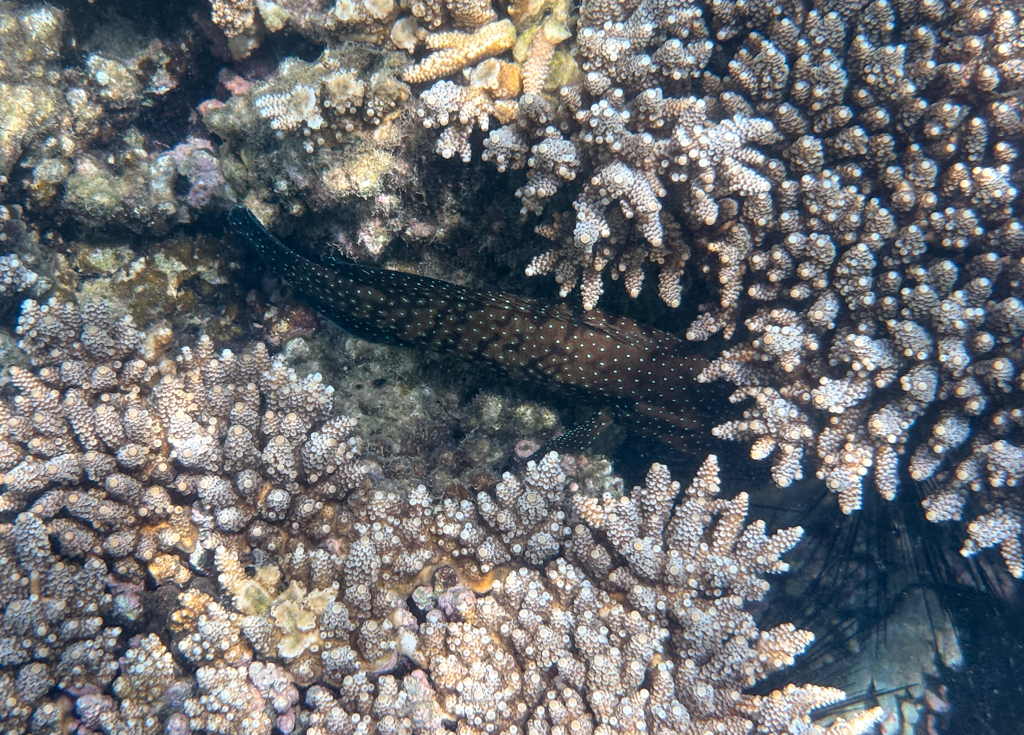
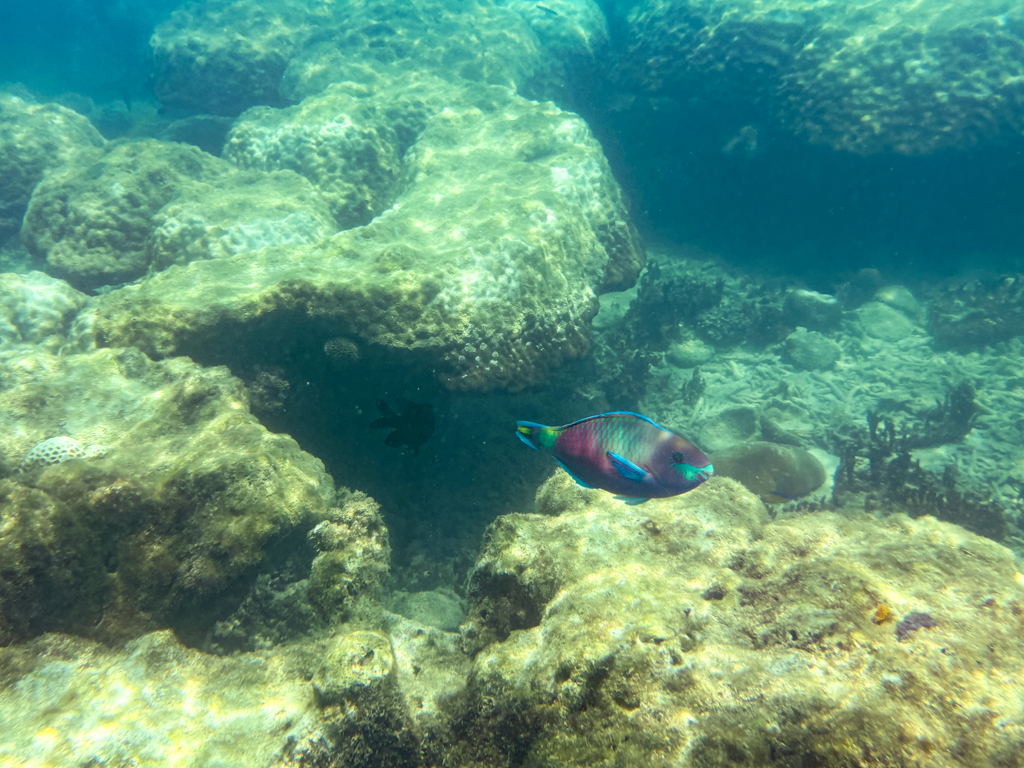
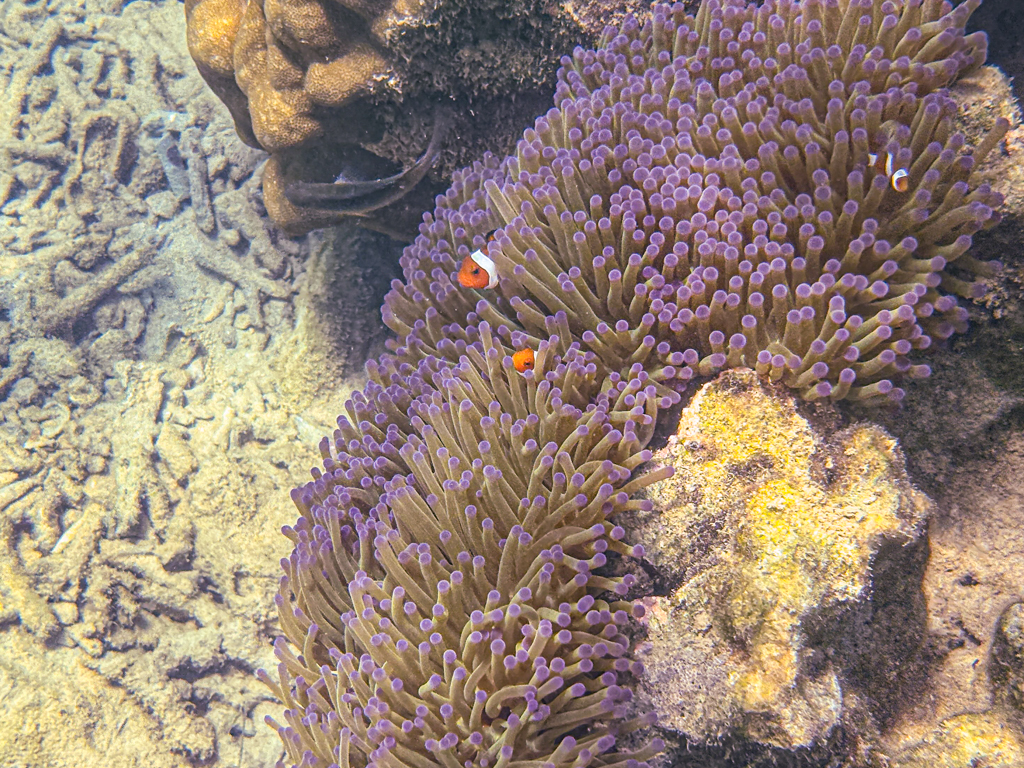
On the last full day in Marang, we head to the jetty to step aboard a ferry bound for Pulau Kapas, the nearby island that appears every morning at sunrise. Sweeping, dangerous riptides surge through much of the ocean in the area, but there is a protected Marine Park on the island. The reef hosts vivid parrotfish and colourful wrasse, giant blue clams, and tiny clownfish rustling in the tendrils of anemone.
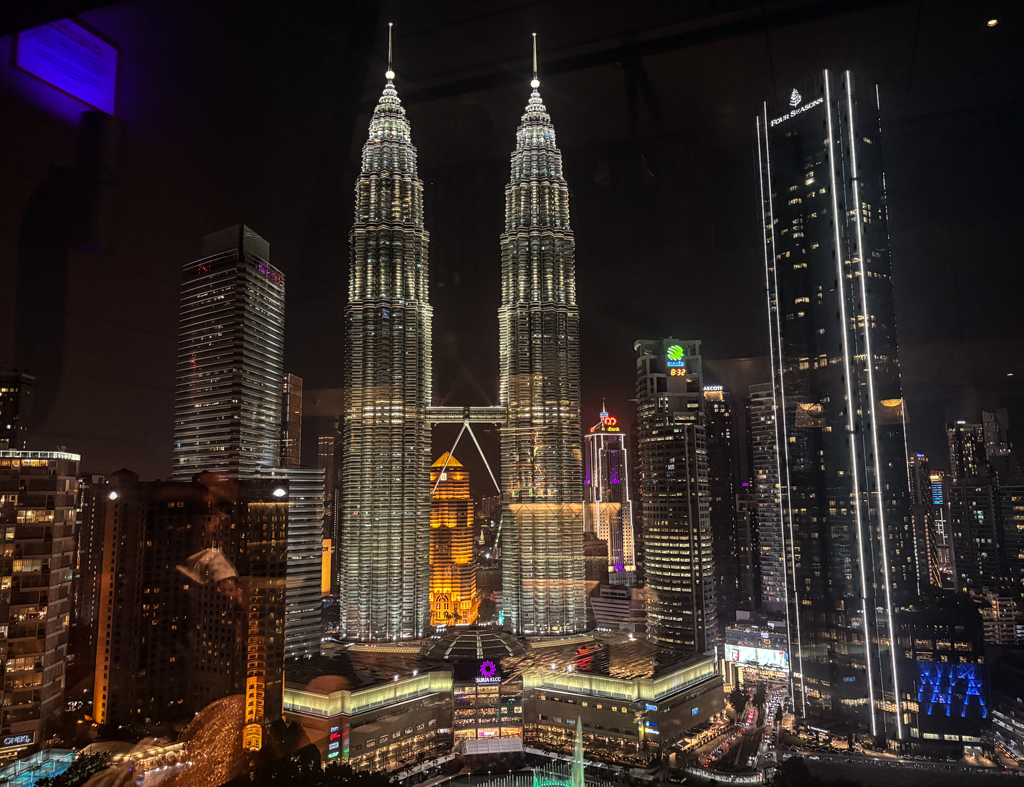
After a quick tour of the state capital, Kuala Terengganu, we land in Kuala Lumpur. With its subway, traffic, and sweeping skyscrapers, KL stands in stark contrast to the sleepy Terengganu beach towns. But fishing village or big city: throughout Malaysia, the well-maintained infrastructure, ubiquitous wifi, and widespread spoken English make navigating as a tourist incredibly easy. It’s an extraordinary privilege to be able to take an international trip every so often, but for those who are able; if Malaysia is not on your travel radar, perhaps it should be.
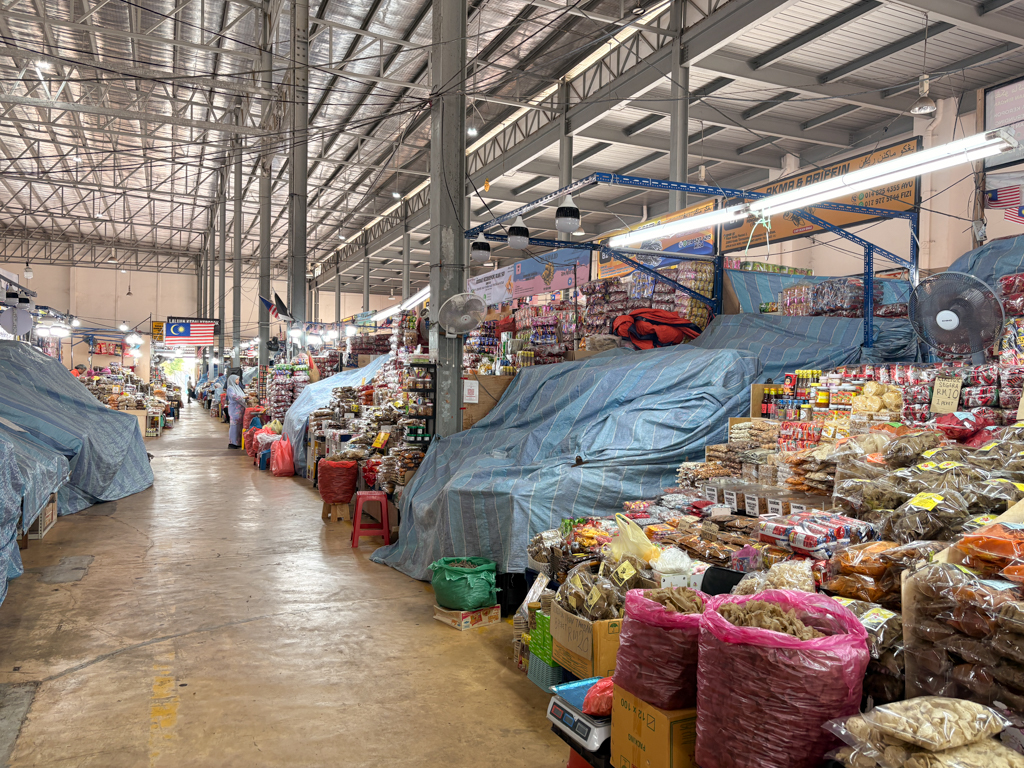
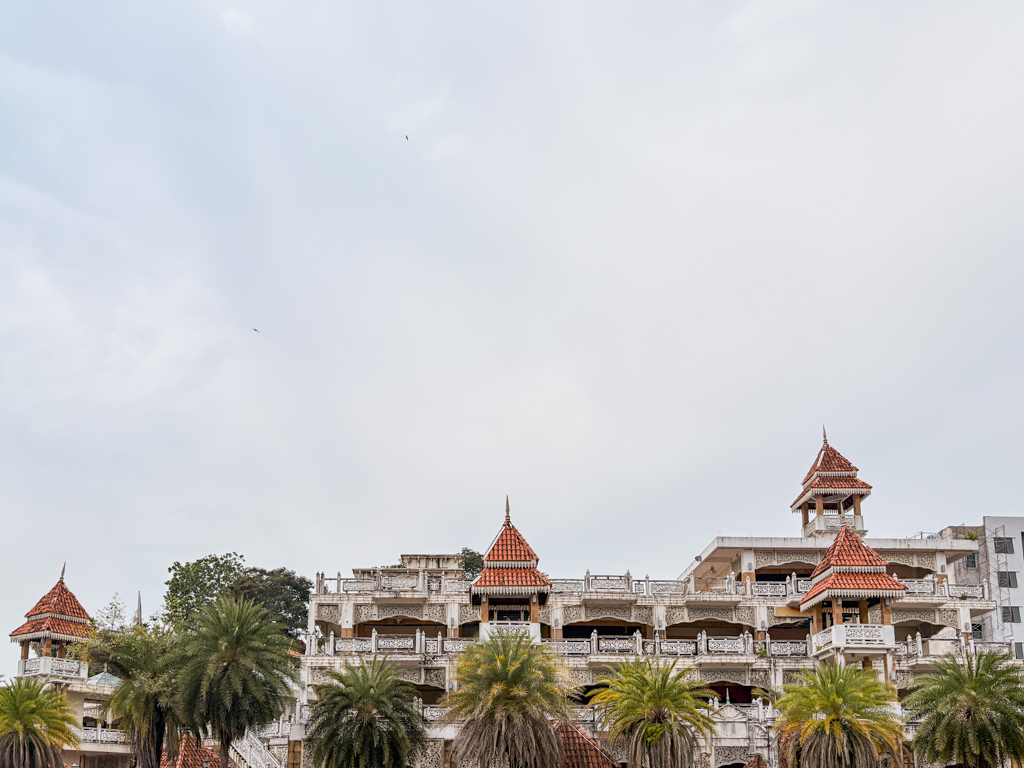
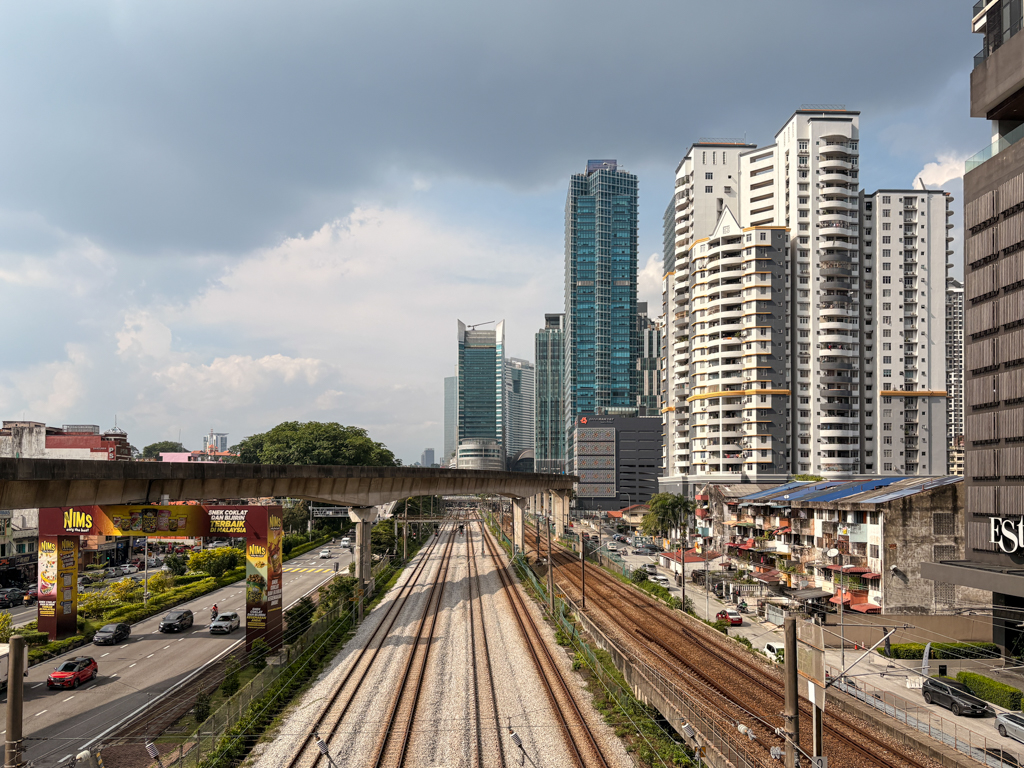
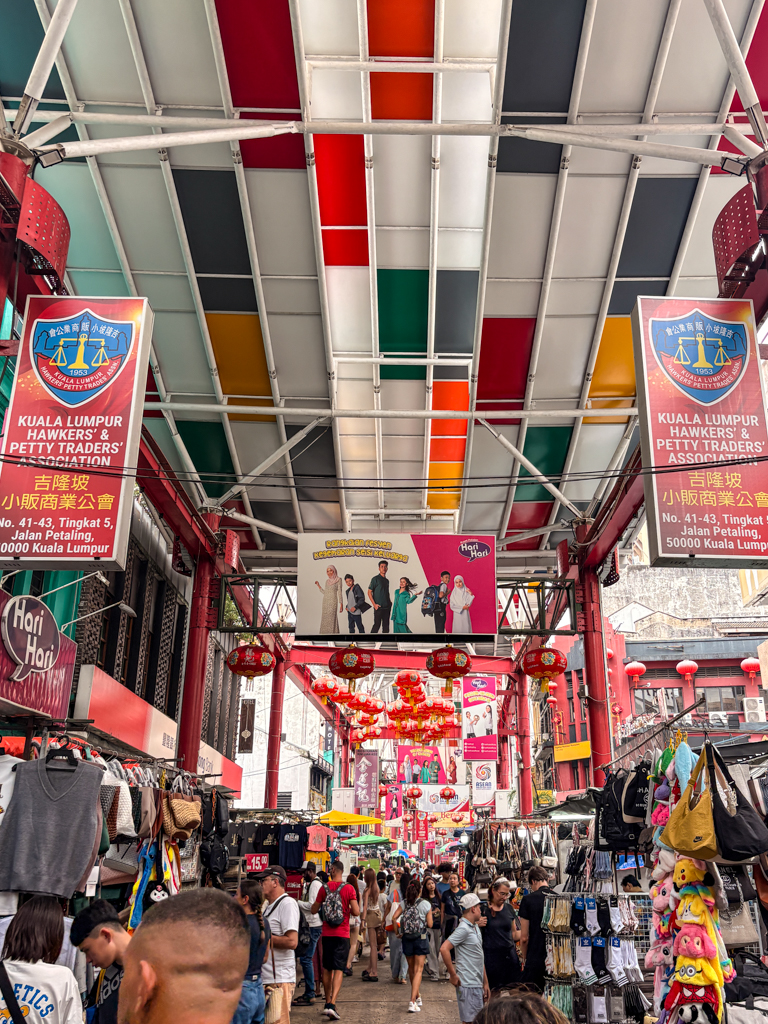
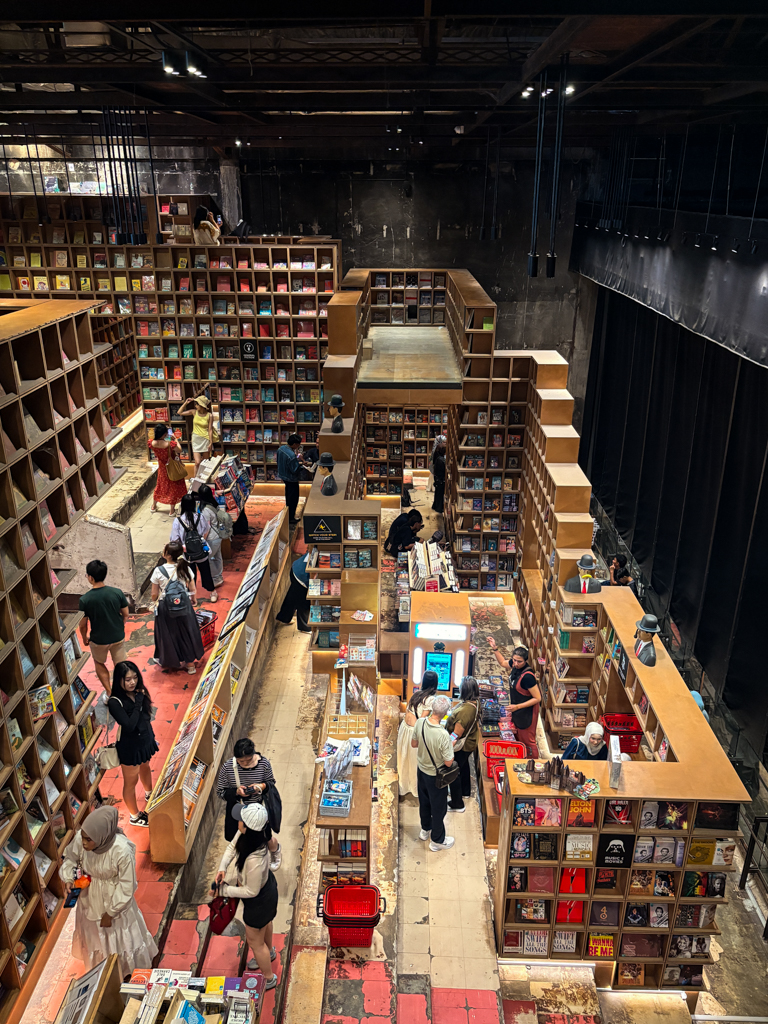
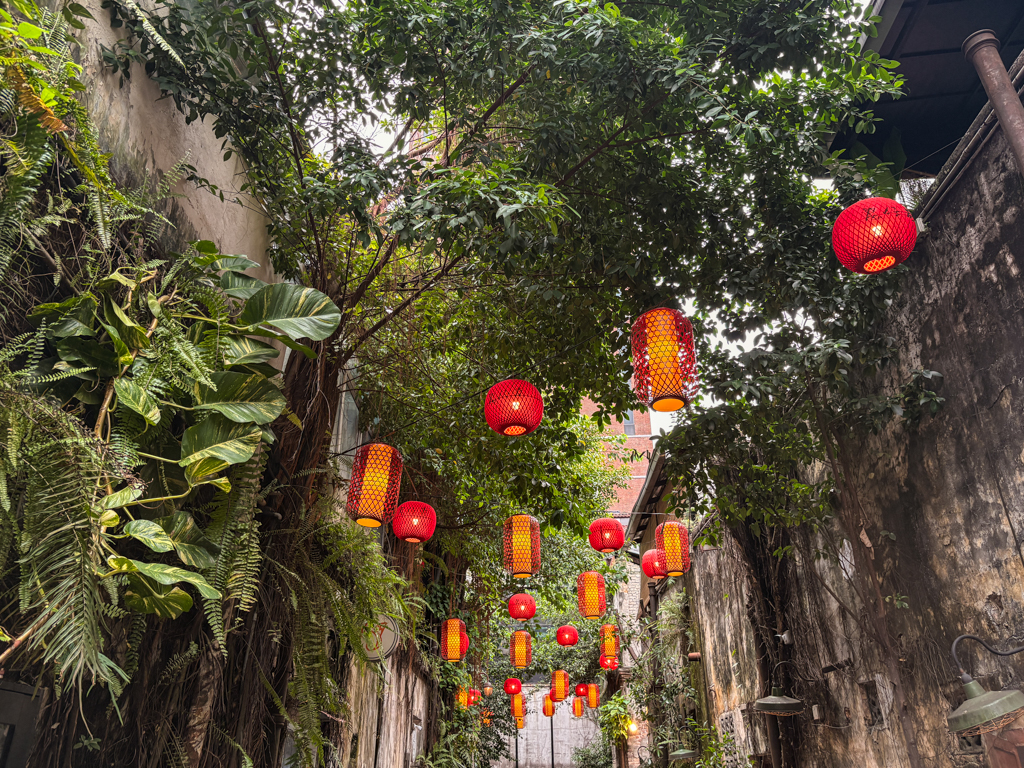
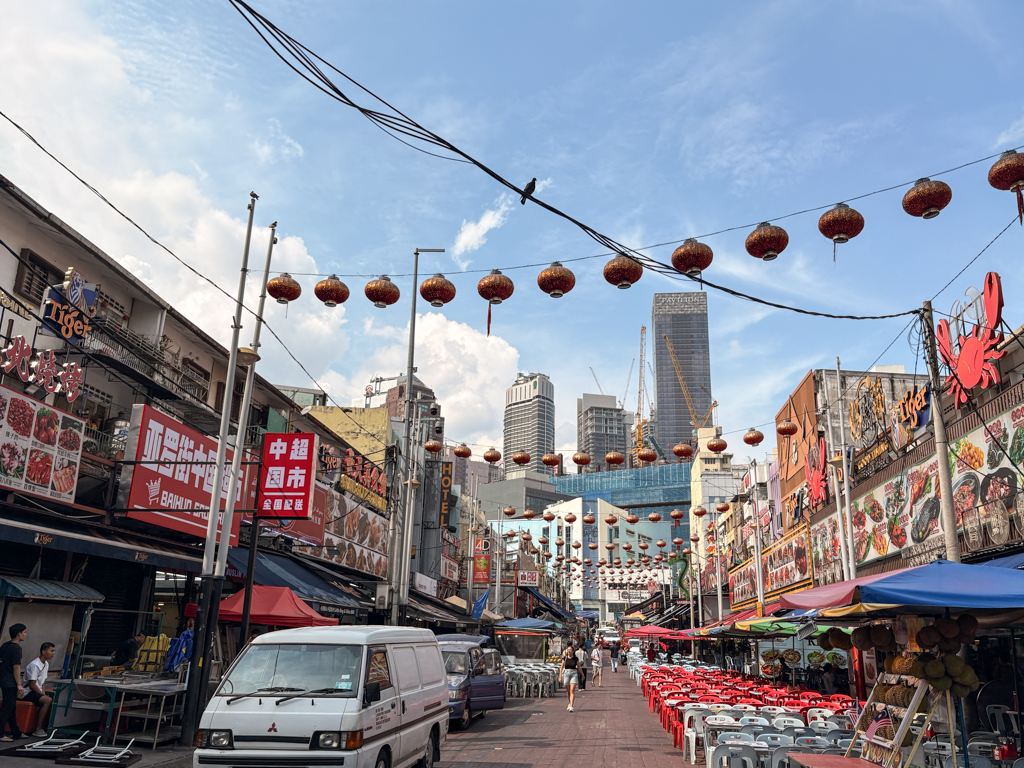
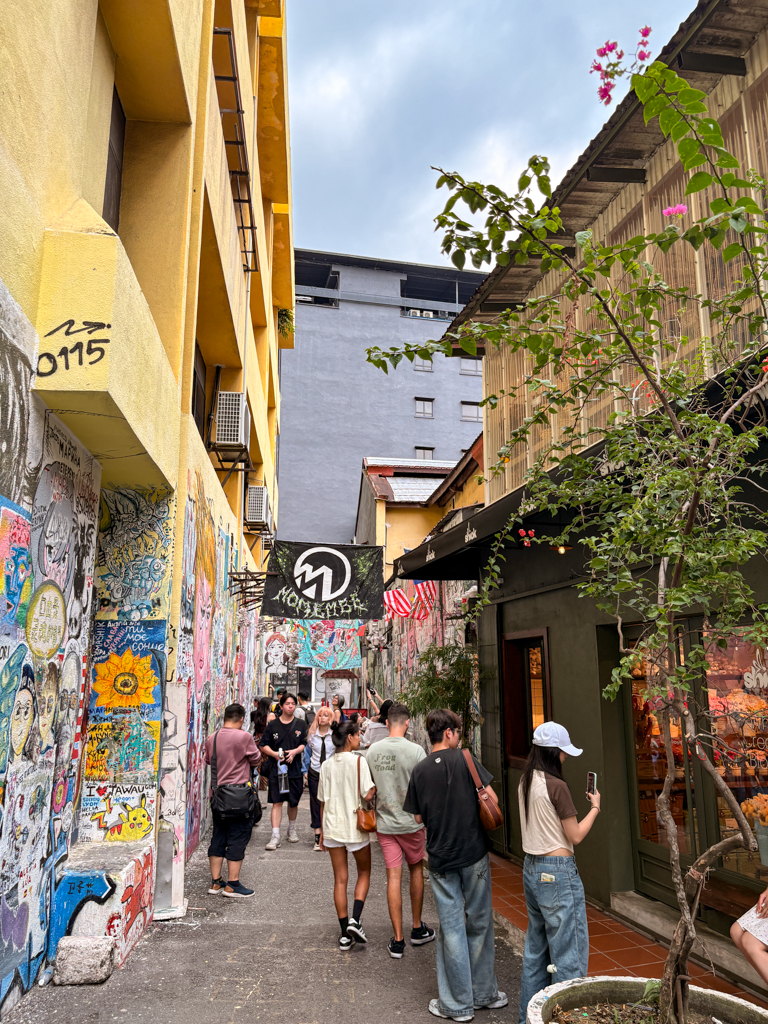
Following the slow, sleepy days in Marang, Kuala Lumpur is a welcome shock of variety and vibrance. There is good coffee and an endless possibility of restaurants and things to do. The city rises high into the sky, interlaced with highways and light-rail tracks. There are boutiques and vintage shops and bookstores and a maze of markets and narrow streets to explore.
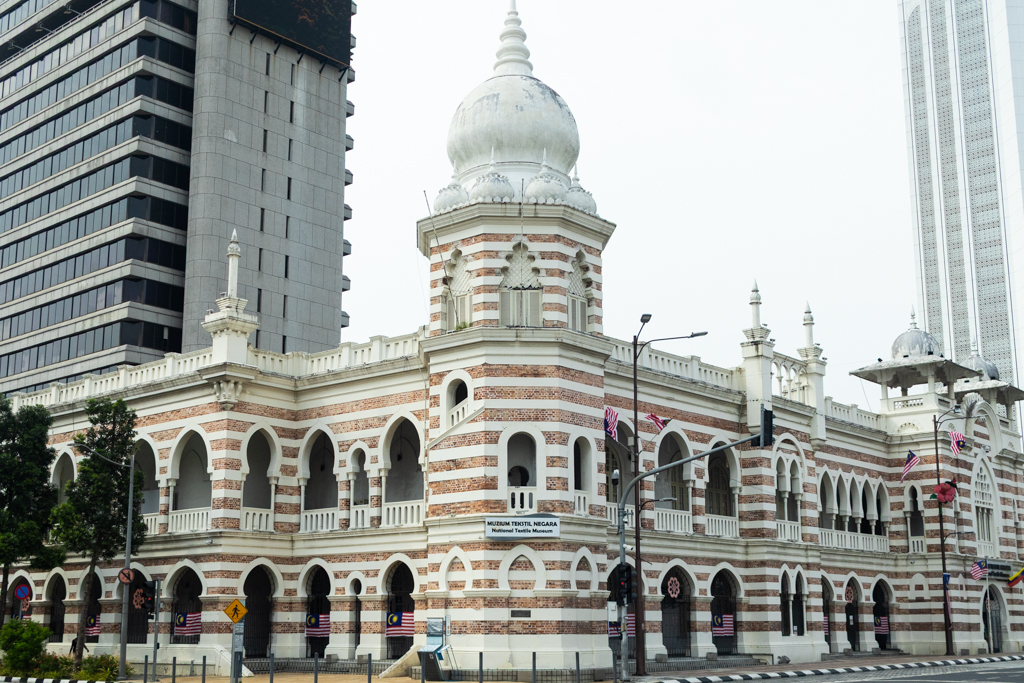
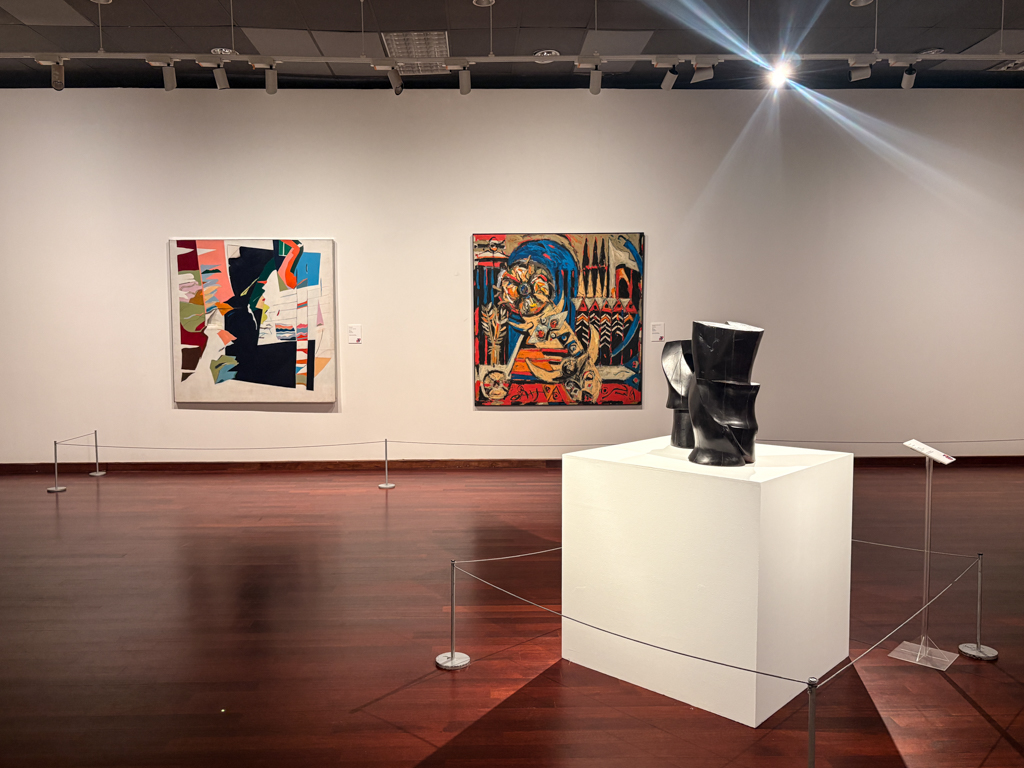
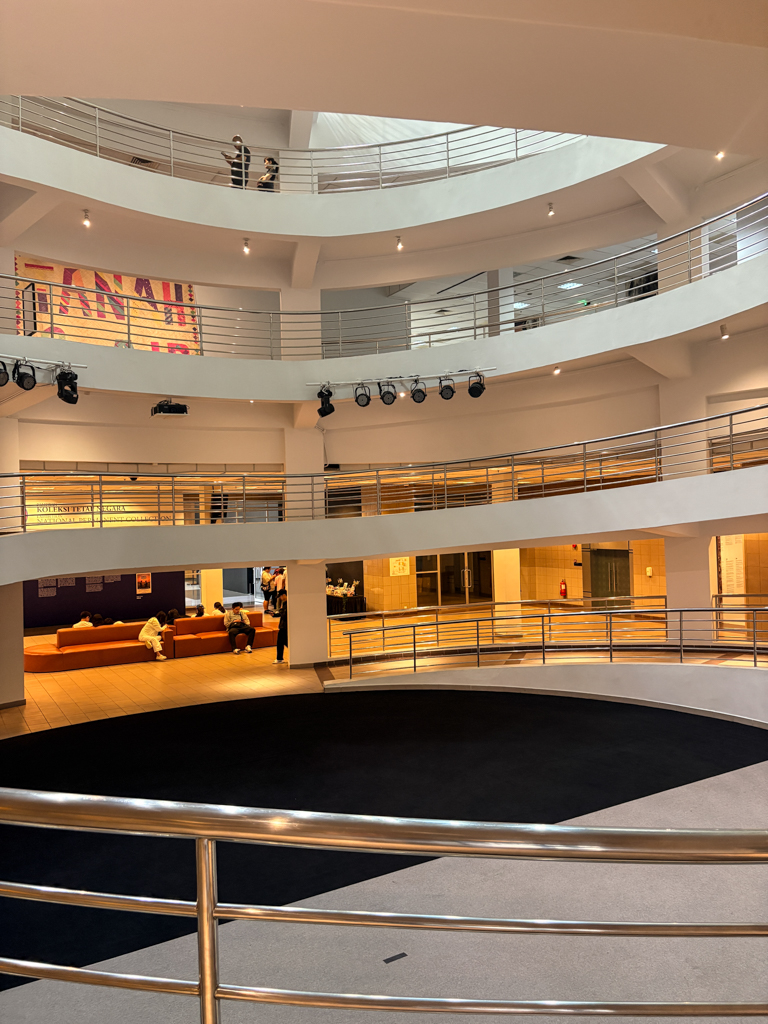
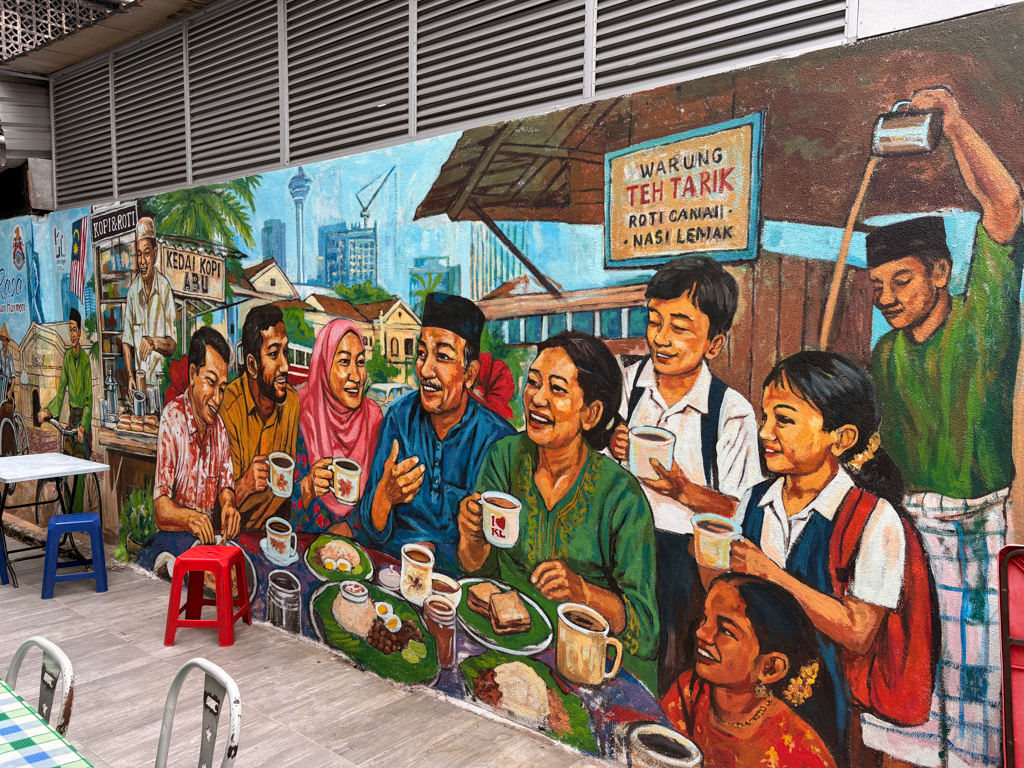
Wherever I travel, nature and art are always of particular interest to me, so I set out to find as much of both as I can in just a few days. The internet abounds with lists of street art to be found in KL, and that work is both extraordinary and heavily frequented. My personal highlights were the National Art Gallery and an independent museum, UR-MU. Both displayed impressive artworks by Malaysian and East Asian artists outside of my personal awareness. I left with the same sense of wonder and creative possibility that always follows me out of an art gallery, along with a new tote bag and a long list of names to further investigate.
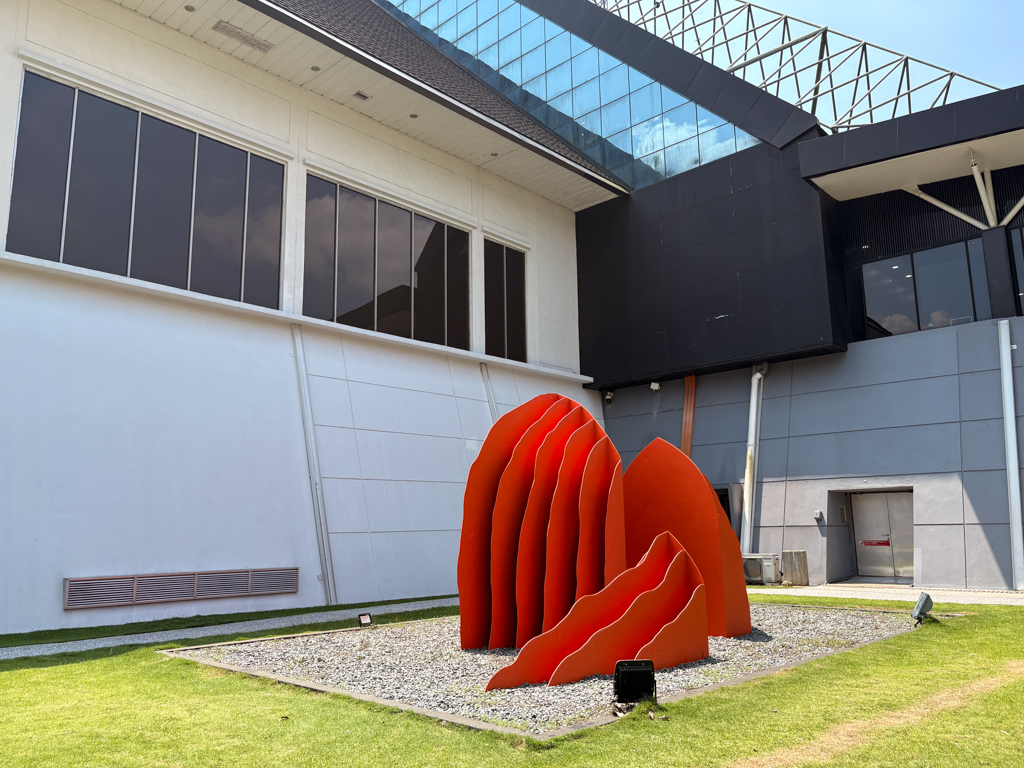
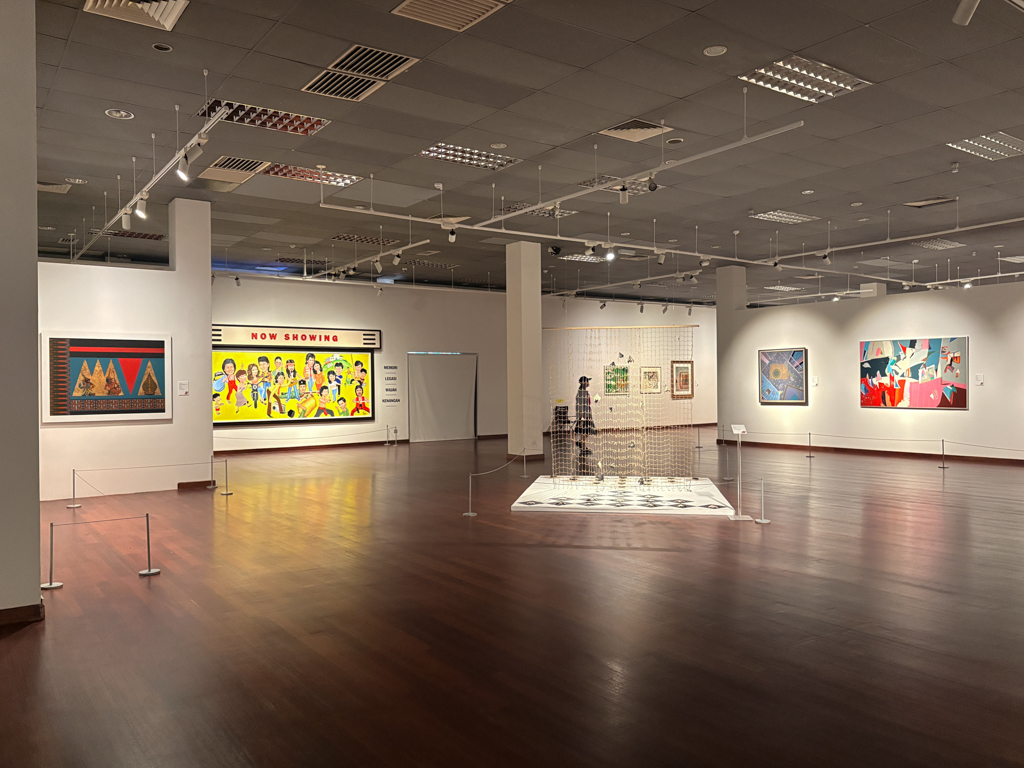
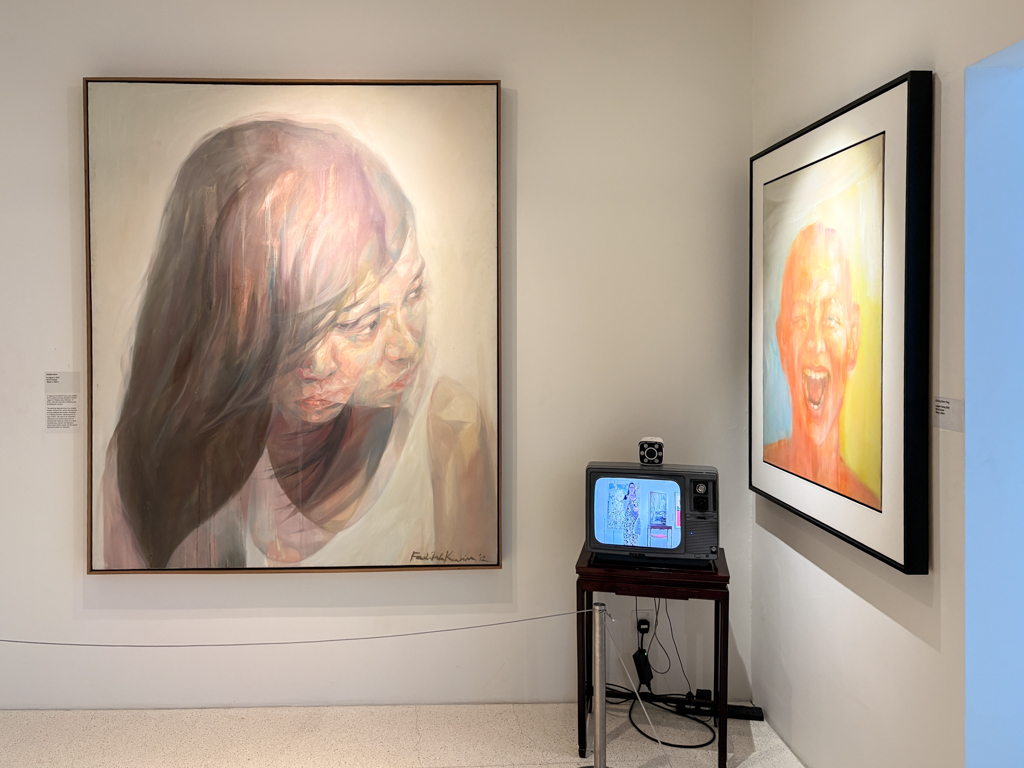
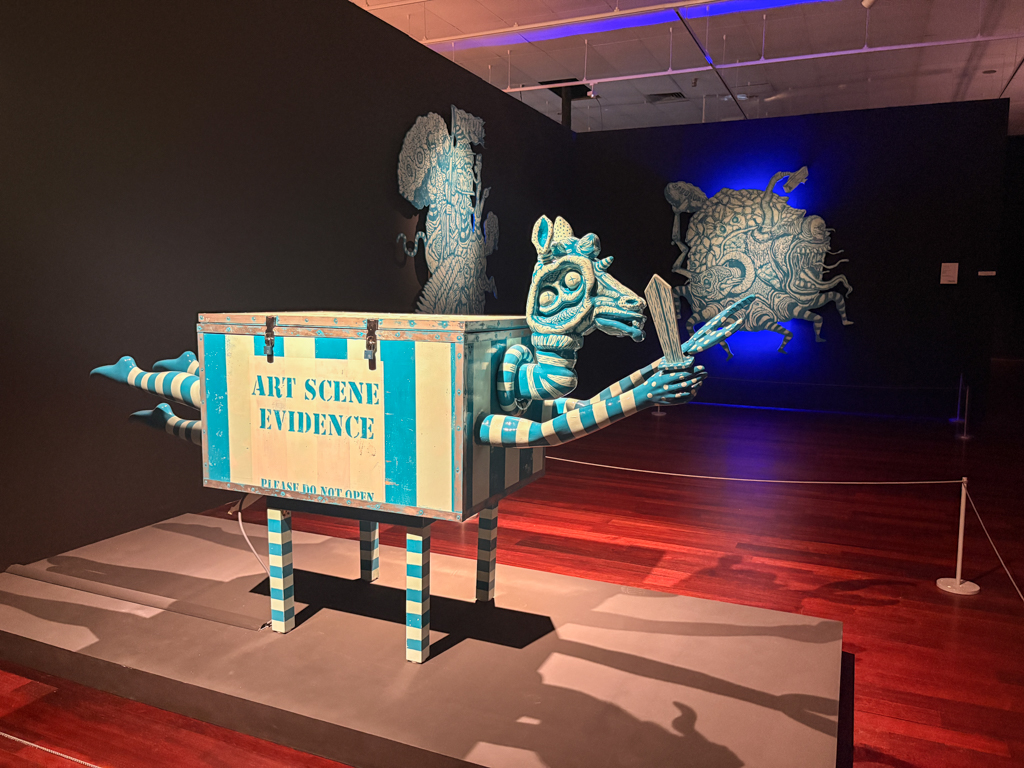
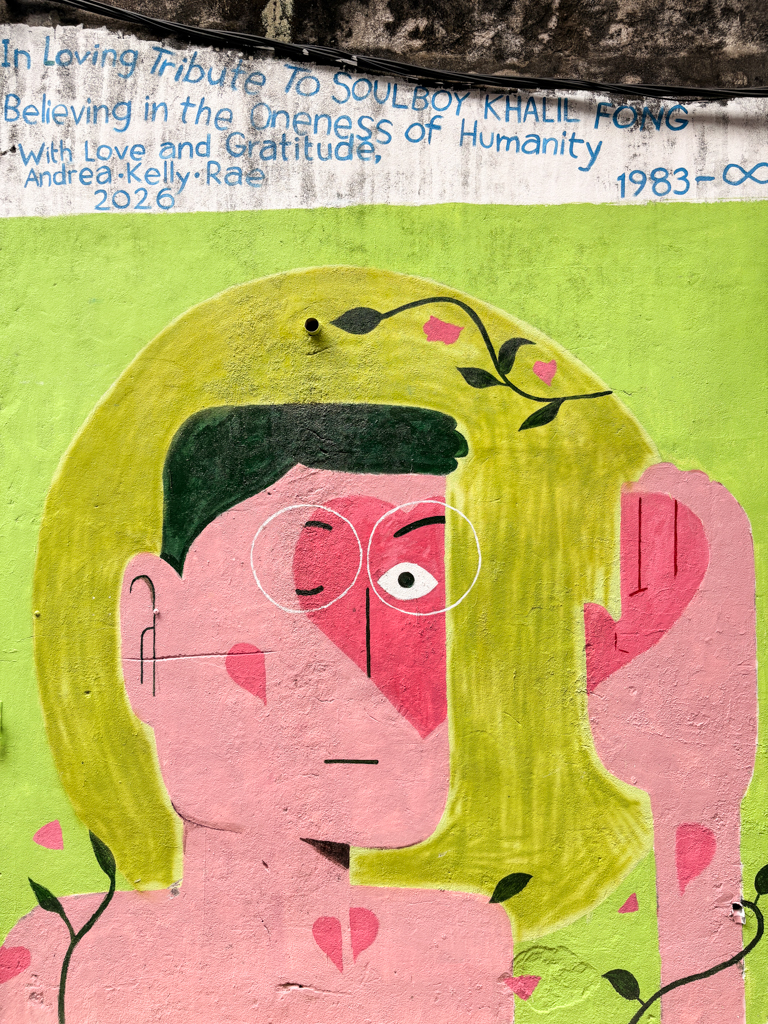
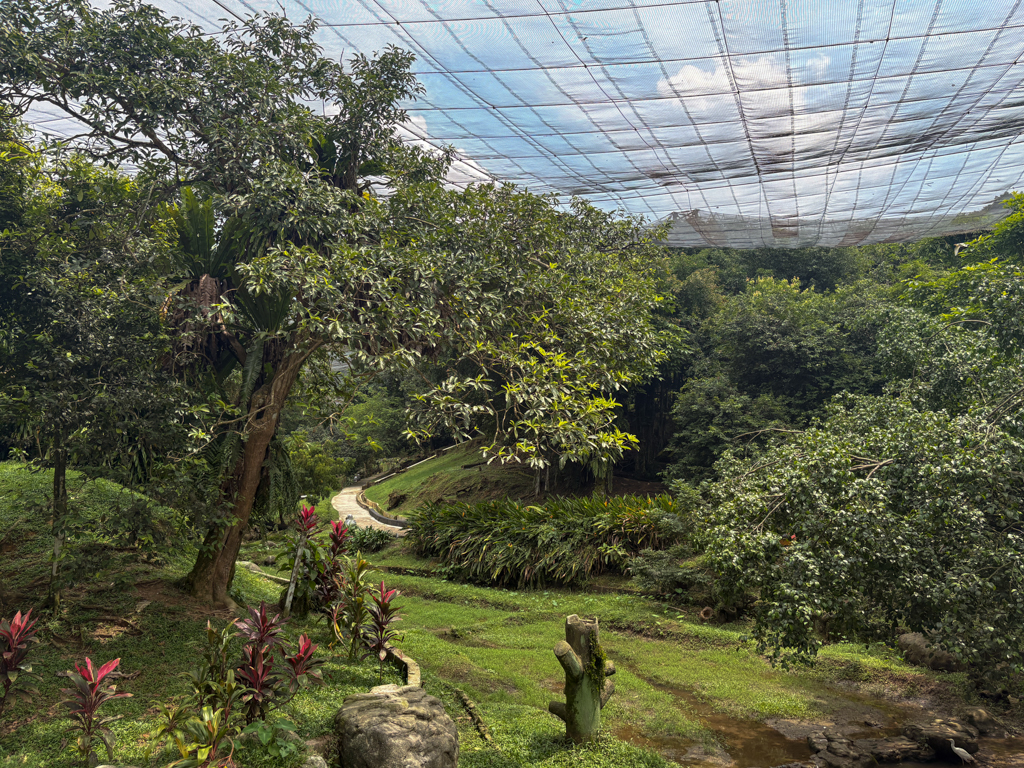
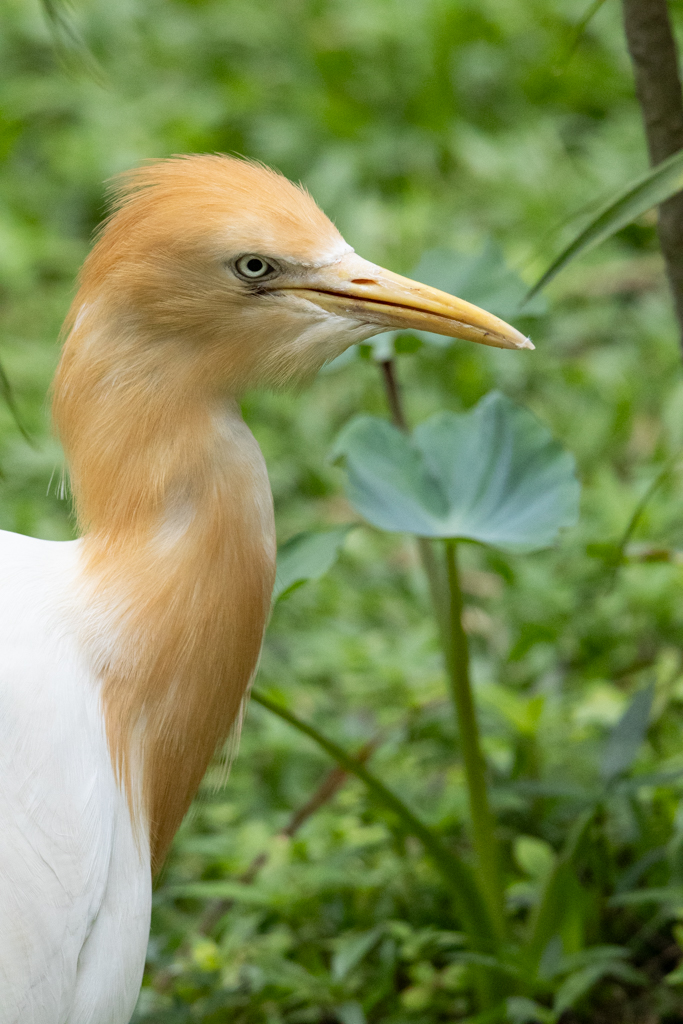
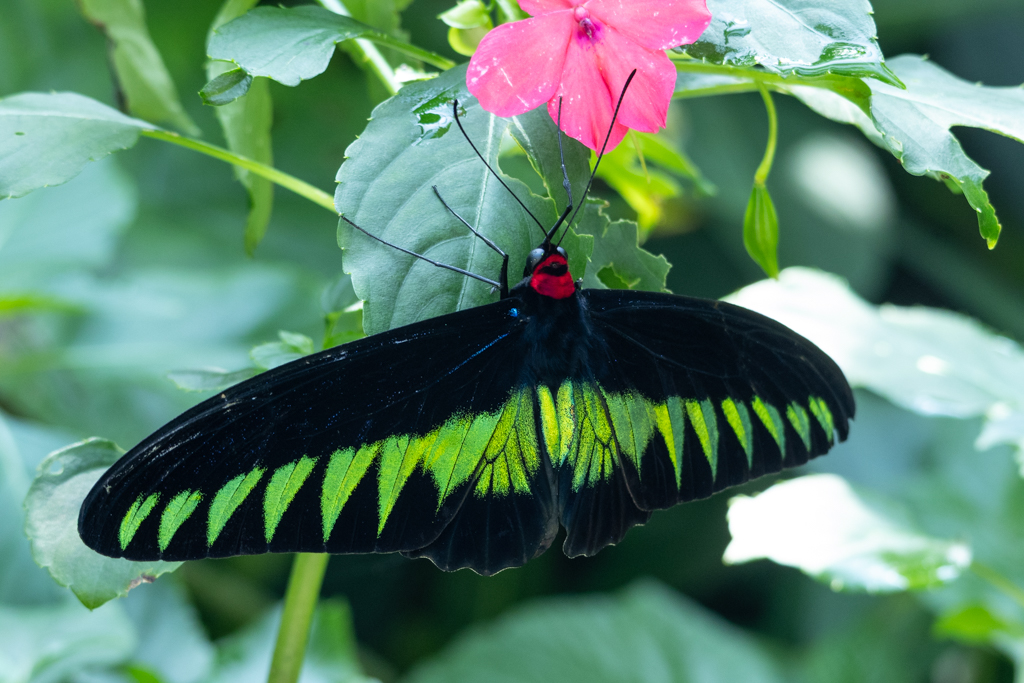
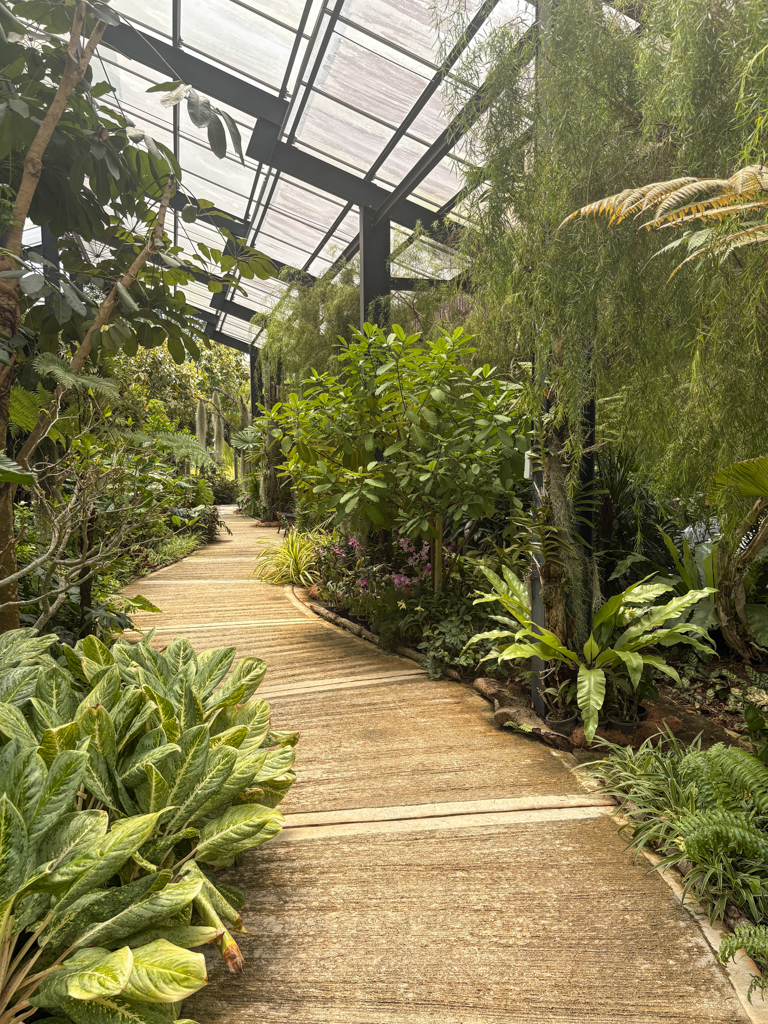
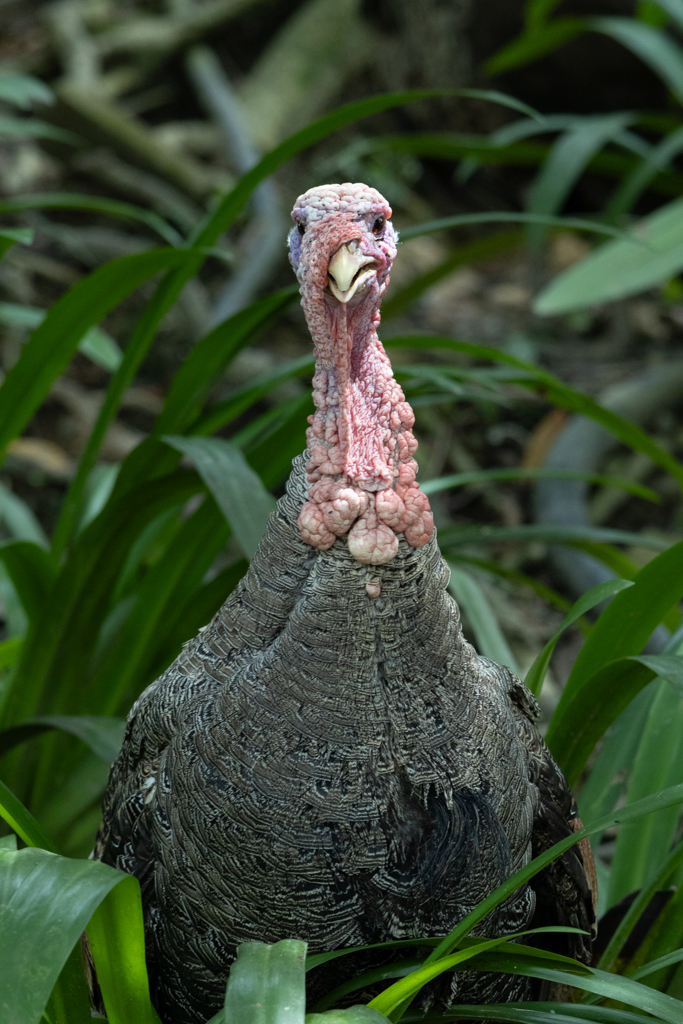
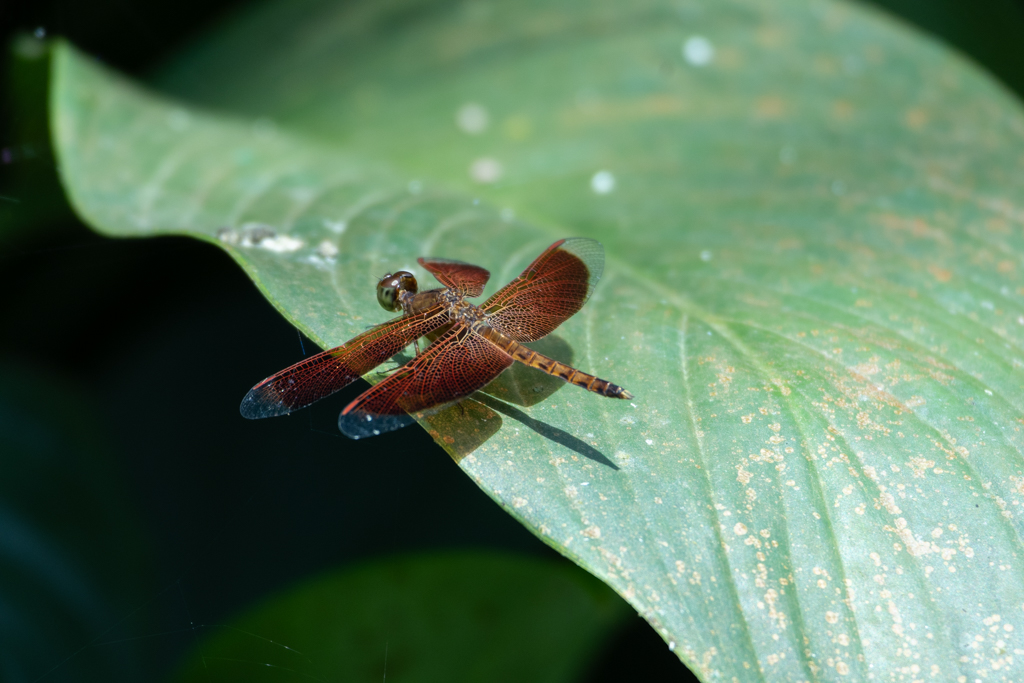
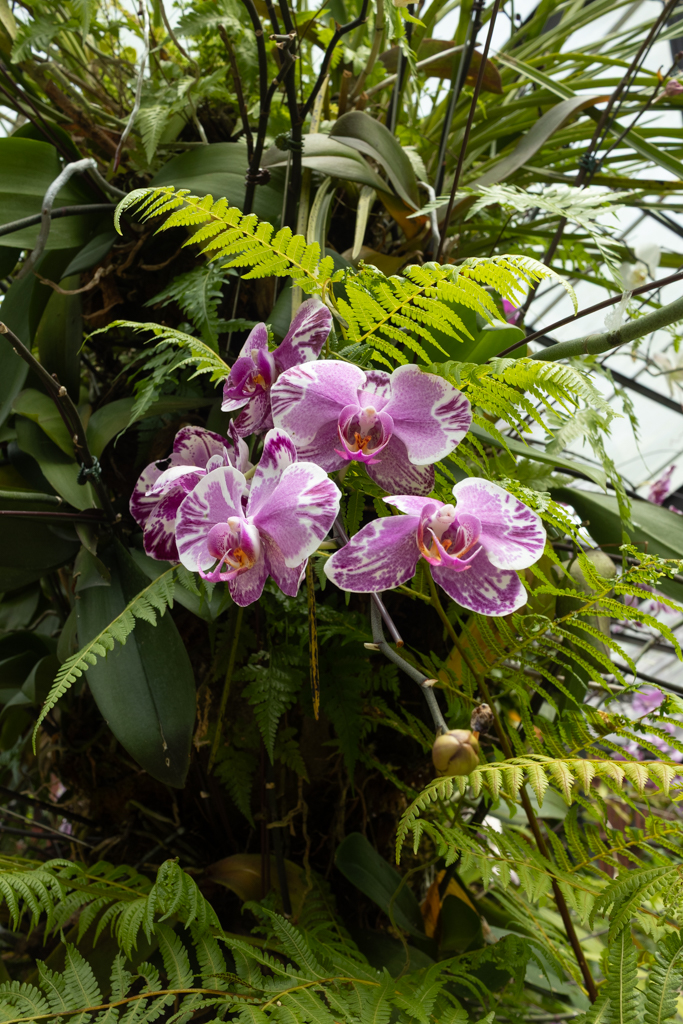
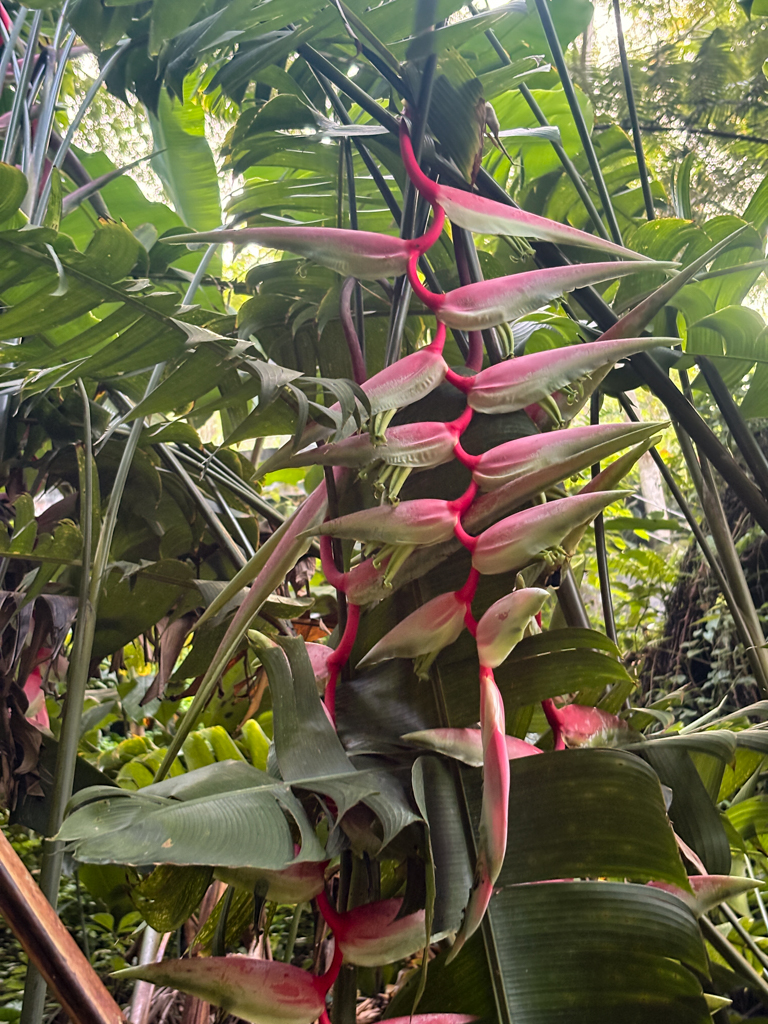
In addition to the striking art, there is abundant natural beauty to be found in Malaysia. My trip was mostly city-based, and so I did my best to find wild spaces in Kuala Lumpur. The Perdana Botanical Gardens in the centre of the city were easy to access, and dripping with lush gardens and parks to explore, mostly for free. The orchid garden was my favourite spot, and I also checked out the paid butterfly park and bird park. The latter two definitely feel like tourist traps, and I’m uncertain about the welfare of the animals within them. Most birds are free to roam the wide-open aviary, but there are some social birds alone in smaller enclosures, and strange combinations of birds that would never meet in the wild, such as peafowl roosting next to wild turkeys from North America. A post I read online suggested that the bird park is filled with rescued birds, and I’ll hope that is the case.
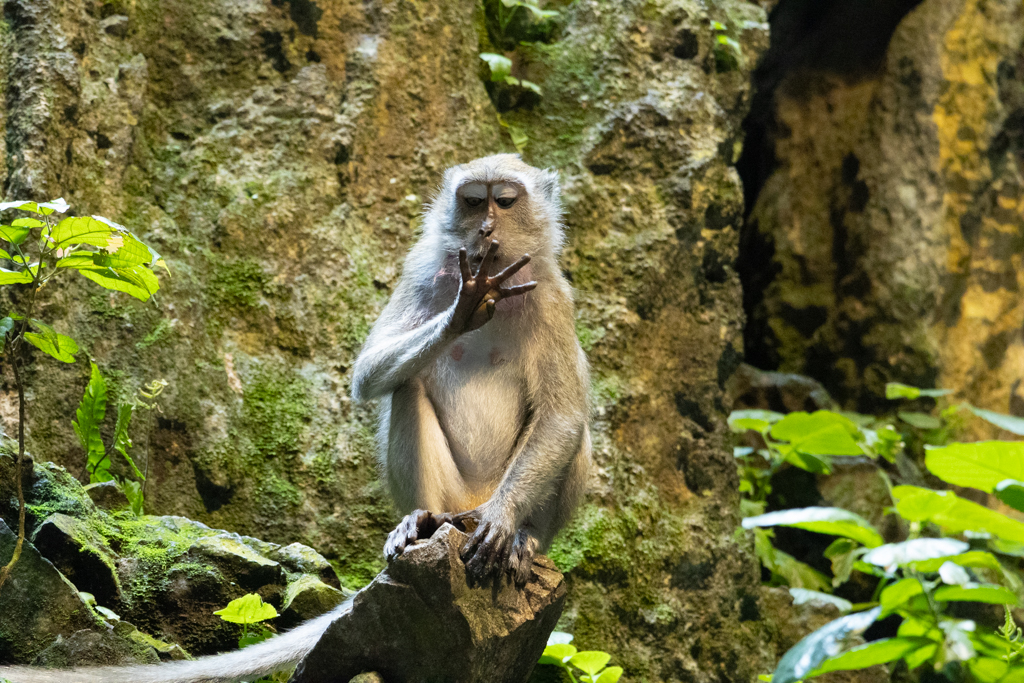
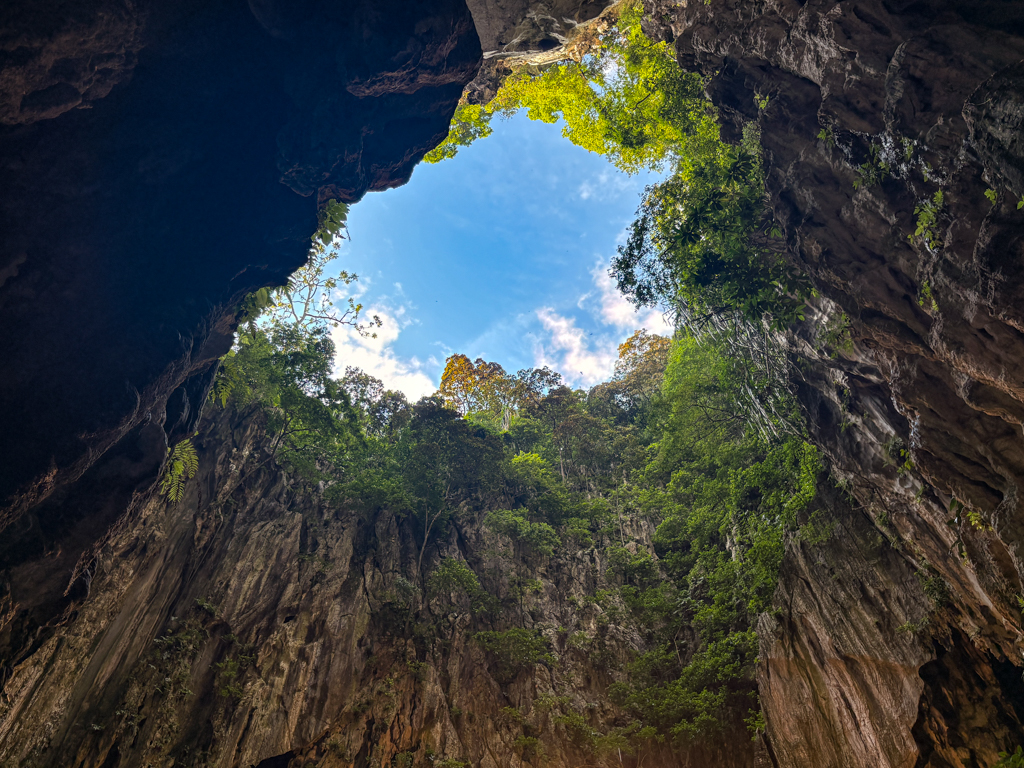
Among the famous tourist sites, the Batu caves really do hold up as something to see. As you approach, the imposing gold figure of Murugan guards the entrance at over 43 metres tall. Up 272 colourfully painted steps is the entrance to the caves that house a Hindu temple dedicated to Murugan. The caves themselves leave me awestruck: sweeping to dramatic heights and studded with spiny stalactites and stalagmites. The sun peeks through in several places where the caves open to the light, and the whole space drips with rainwater and bright green foliage. Pause to look up, and you’ll spot long-tailed macaques swinging their way through this vertical playground.
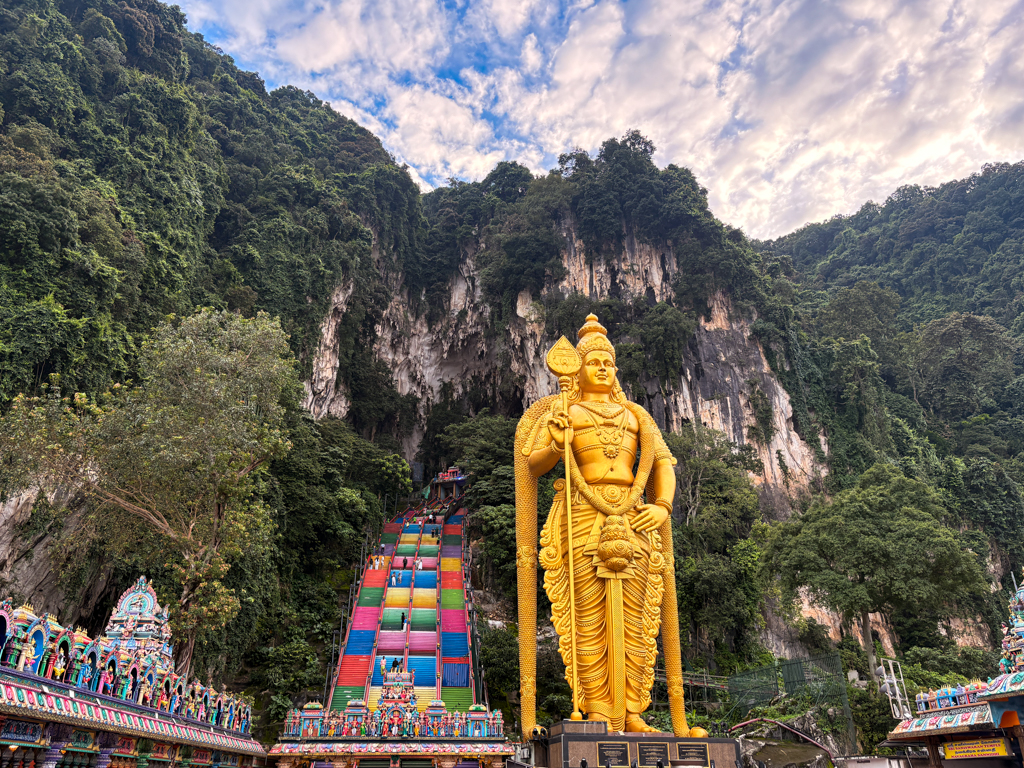
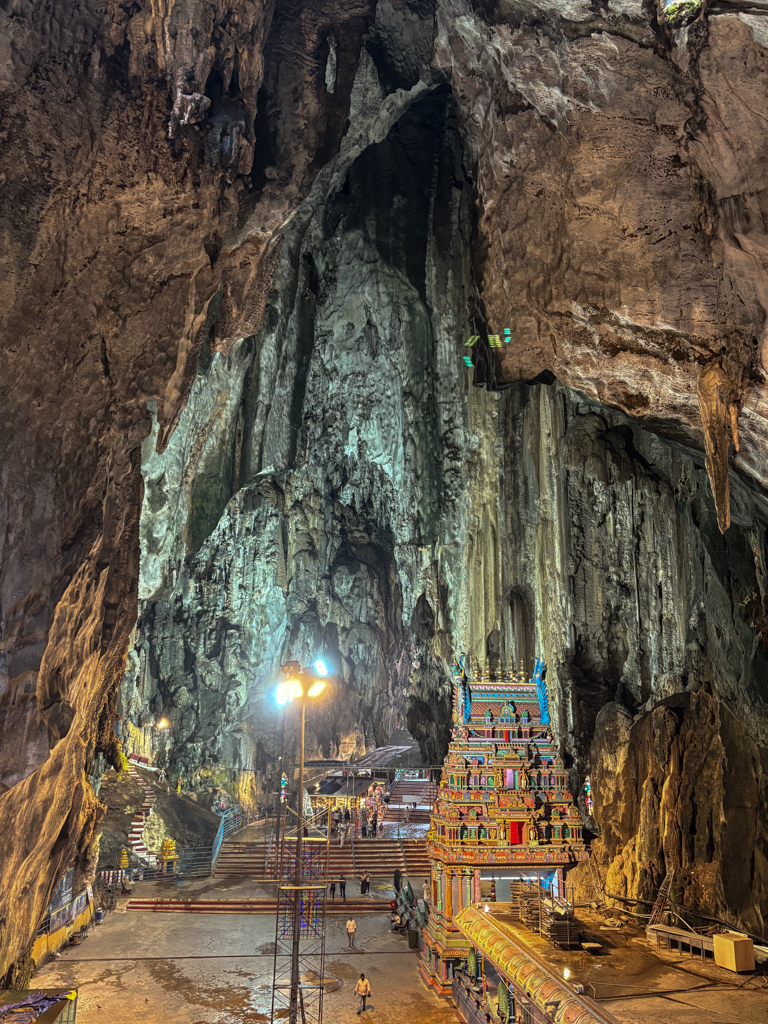
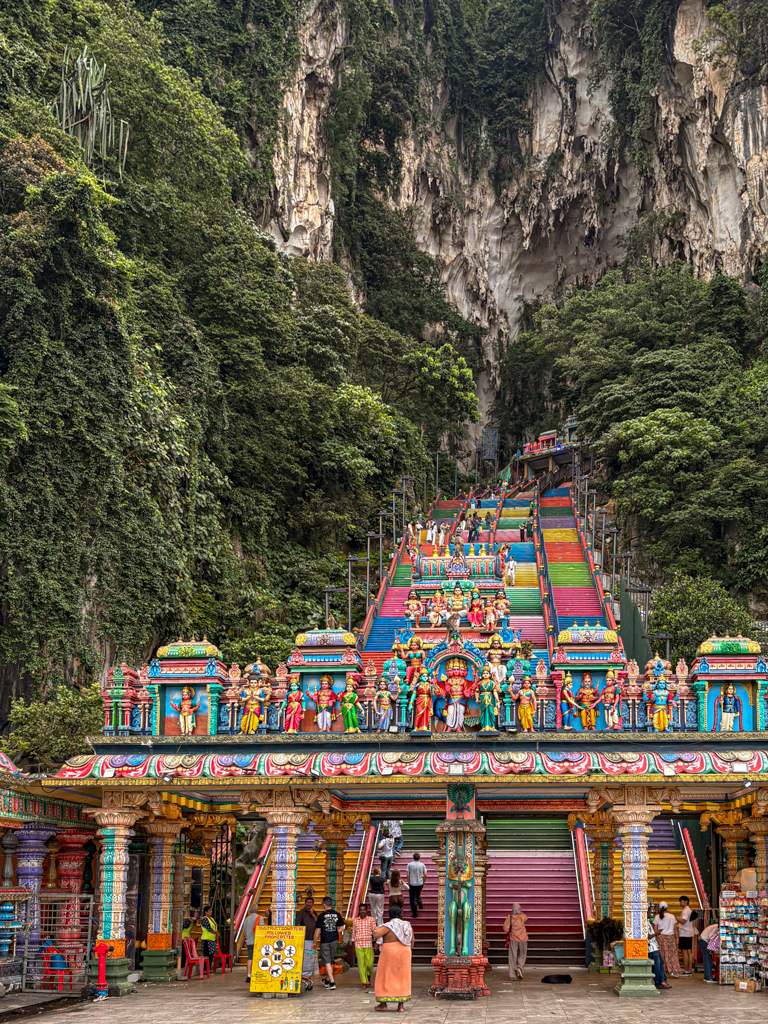
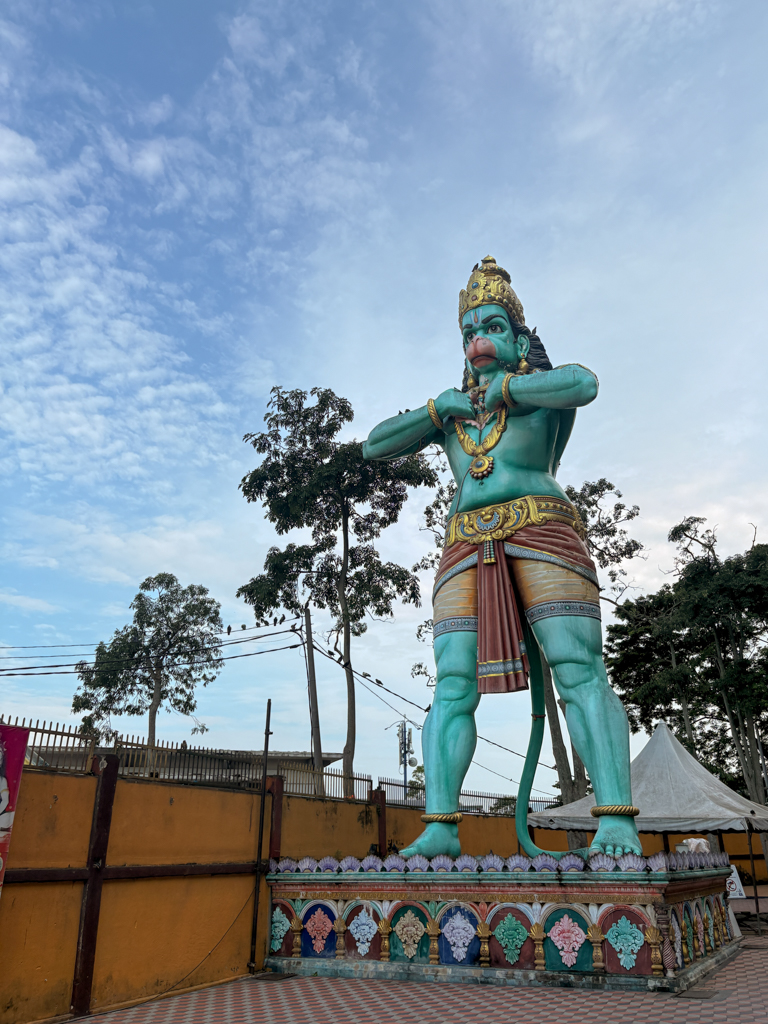
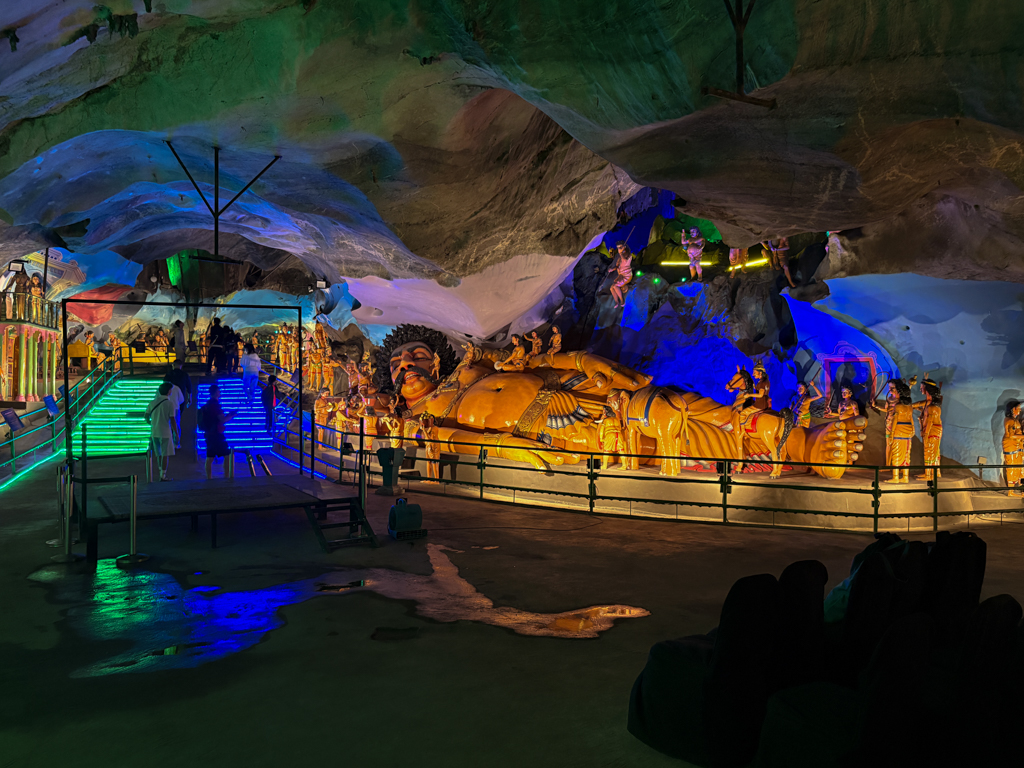
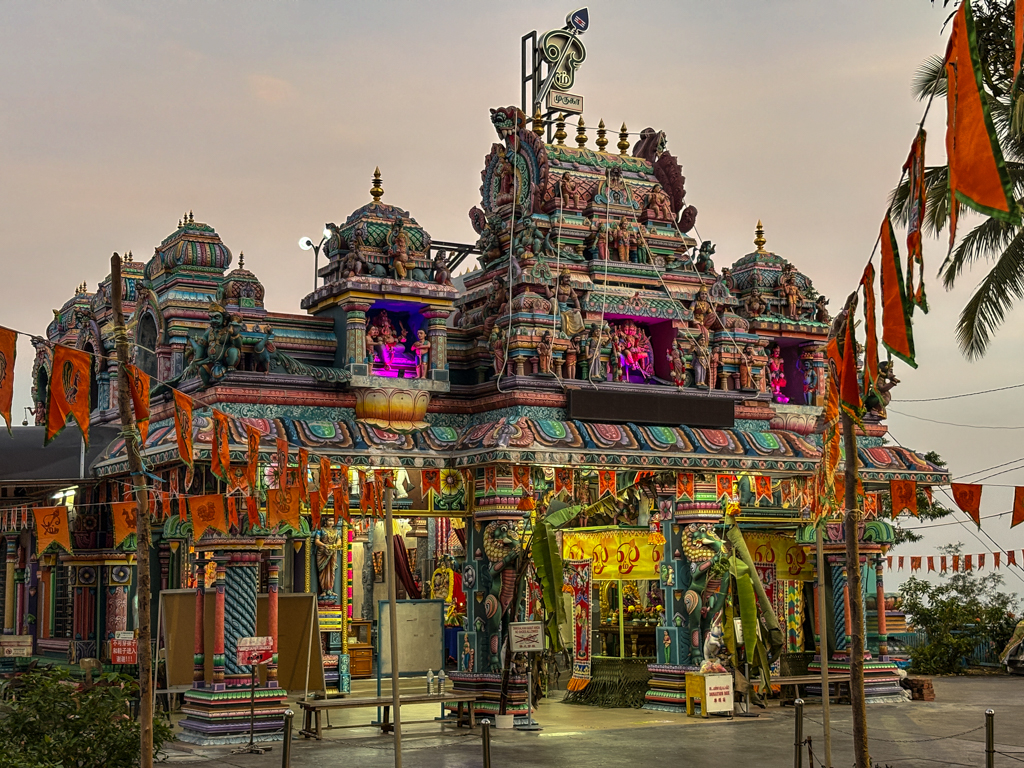
Next to the Batu caves are several other sites. A helpful blog about the caves warns us away from visiting Cave Villa, where animals are housed in crowded and unsanitary conditions for the tourist gaze. But it also points the way to the Ramayana Cave, tucked behind the blue statue of Lord Hanuman. This cave is smaller, but crowded with colourful neon lights and larger-than life statues depicting scenes from the Hindu epic, Ramayana. Both of these caves contained active temples, and it is a discordant experience to be there as a camera-toting visitor while others are engaged in rituals and prayer. Standing inside Murugan’s temple, I’m hyper-aware of how much I don’t understand about what’s going on around me. And it’s not just the Batu caves or Hinduism where the blank space lies, but my complete lack of knowledge about Malaysia and the region in general. This is the funny thing about travel, prior to the trip I took care to learn a few words in Malay and research places to visit, but upon arrival realize that I know nothing at all.
And there is a lot to learn about Malaysia and the cultures, religions, and history that shape it. What little I know of its history starts with the Orang Asli people, who have inhabited Malaysia for thousands of years, and still face ongoing challenges regarding land and recognition. The predominate ethnic group are the Malay, seafaring people who traveled to mainland Malaysia from islands throughout the region. Over the centuries, they were joined by peoples from southern China known as the Baba Nyonya. Islam was introduced by Arabs in the 15th century, and from the 16th-19th century, waves of Europeans brought colonialism and Christianity. Indians came as traders, and again with the British as indentured plantation labourers. Of course that is a gross oversimplification of complex history, and I don’t know enough to speak to any tensions that play out today. But walking through Kuala Lumpur, I saw the best of what that complexity looks like in practice.
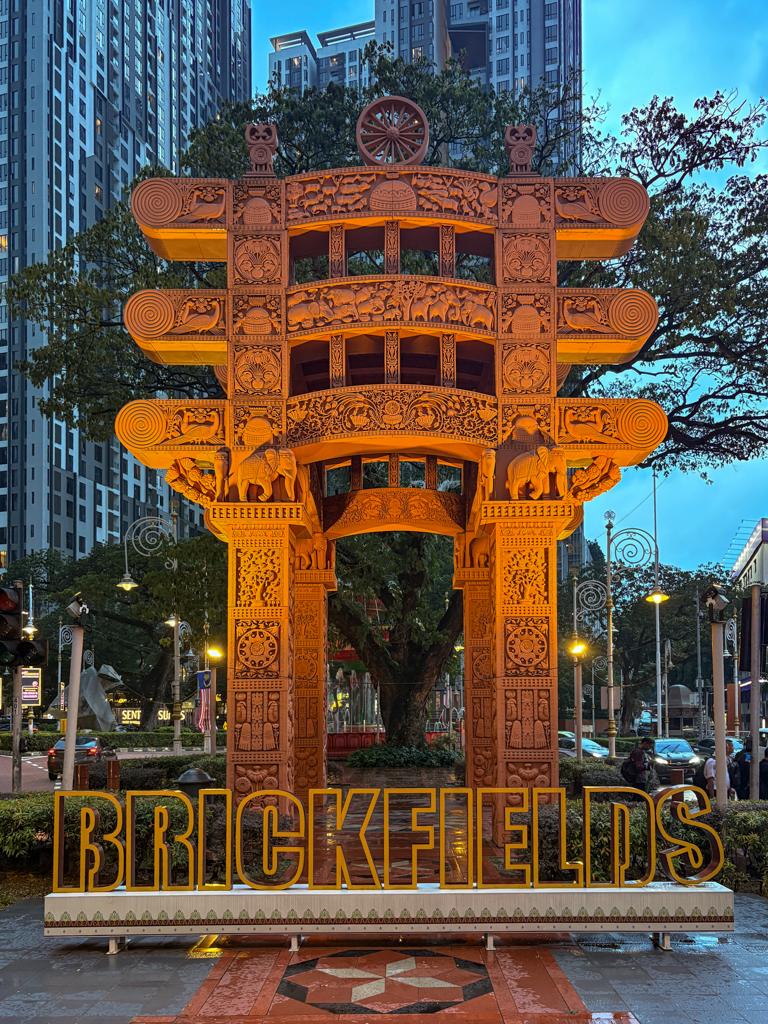
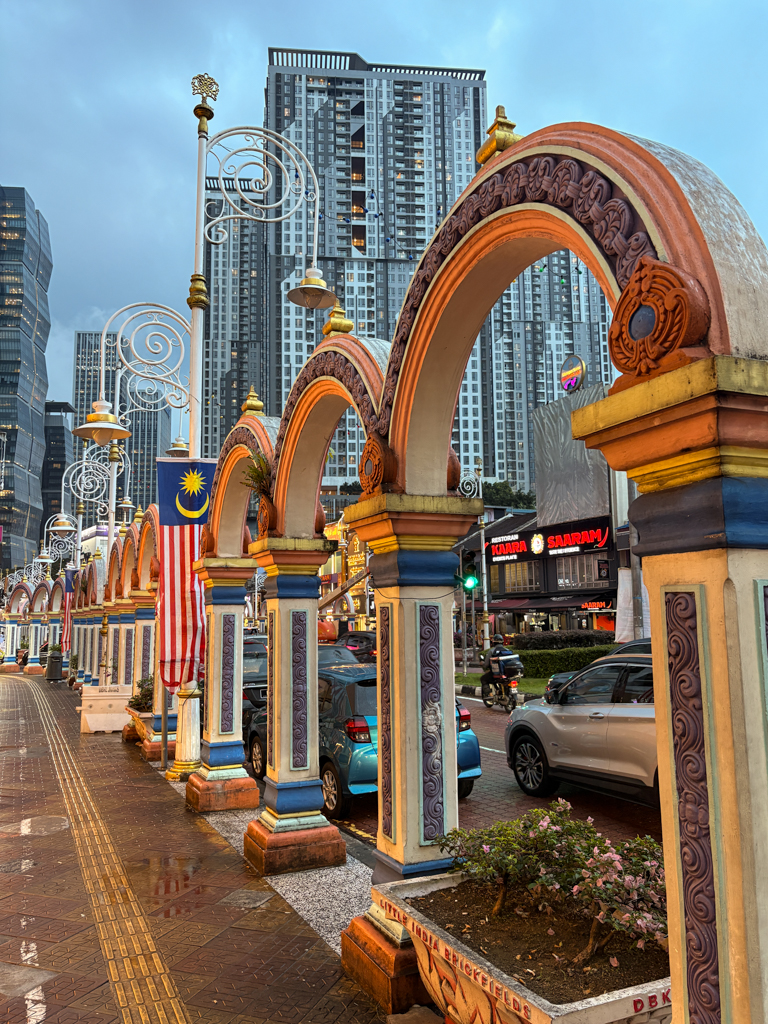
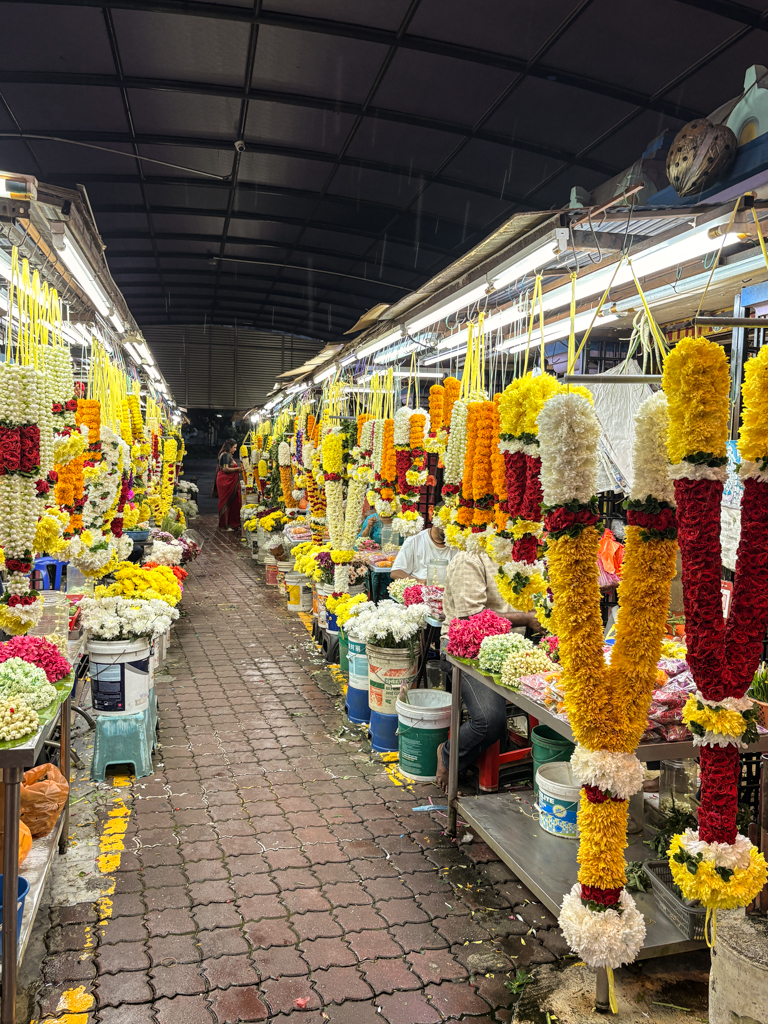
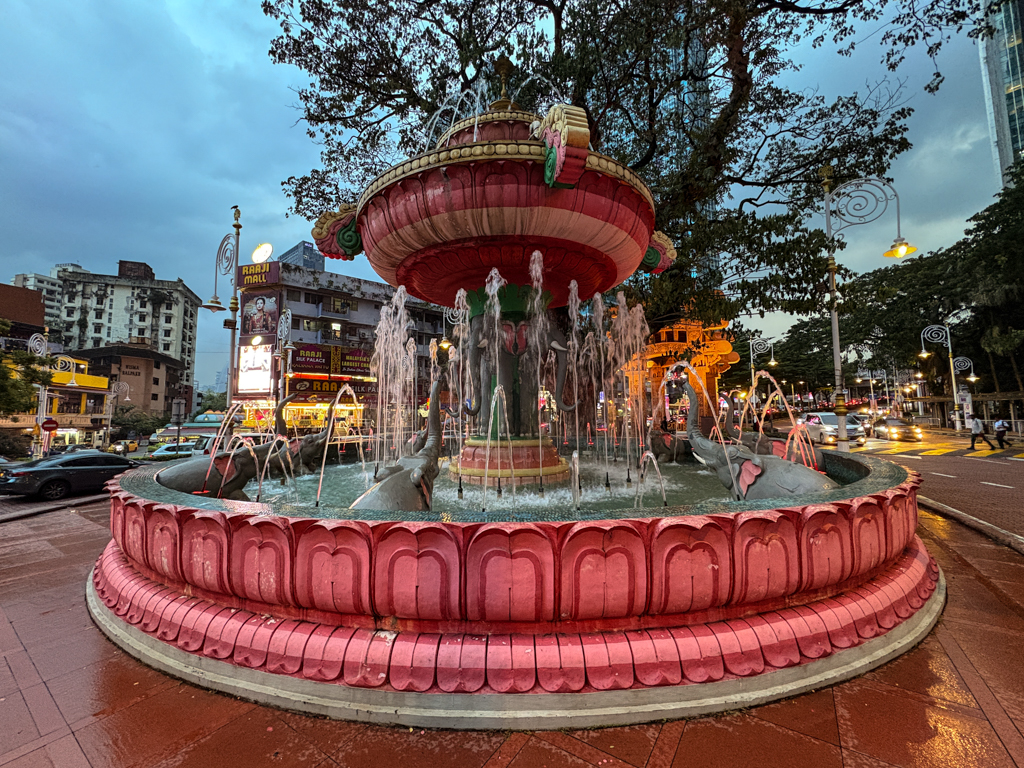
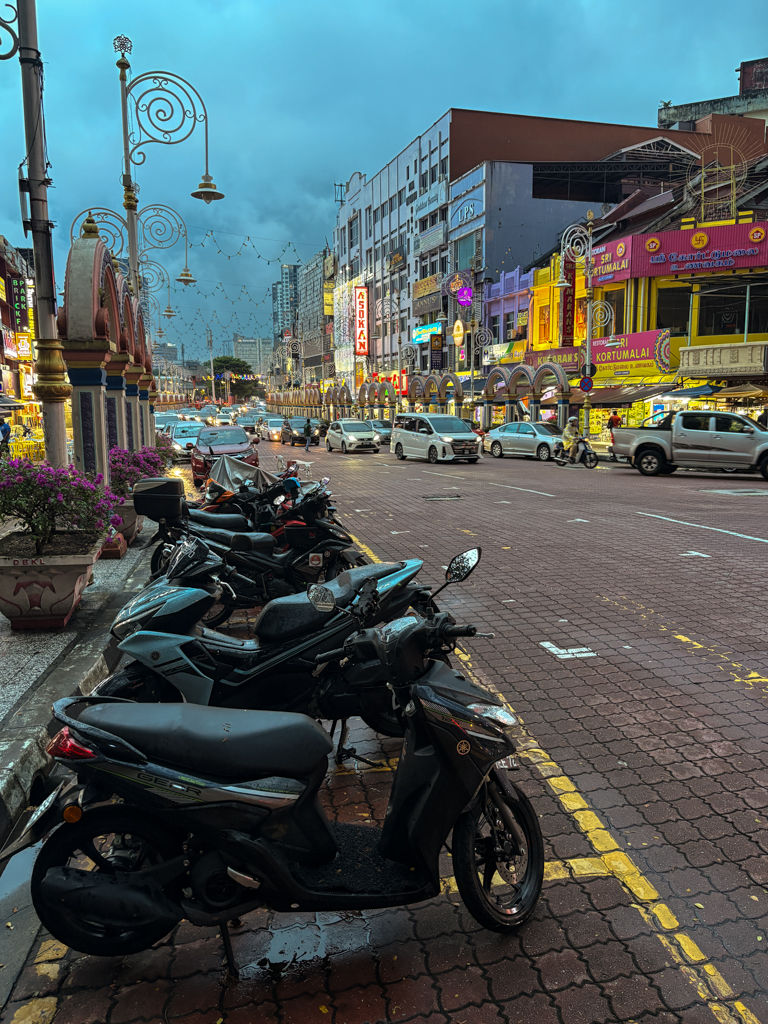
We stay on the twelfth floor of a condo and hotel building that overlooks the Brickyards, also known as little India. I have not explored Little India. That night while my friend fulfills her role as bridesmaid, I wander off on my own and am surprised to discover that this vibrant section of the city is just two blocks away. Concrete archways line the road and light the early evening with blue electricity. The air is equally bold, heavy with the sounds of honking of cars and storefronts that pulsate with loud Indipop and Bangra music. The smell of wet pavement from the light evening rain hangs over everything, melding with the sticky sweet of bakeries and the hot oil and spice mixtures wafting from dozens of restaurants. I am at this point overwhelmed by new, and so I slip into a sterile, fluorescent place with booth seating and order a dosa, something familiar to me.
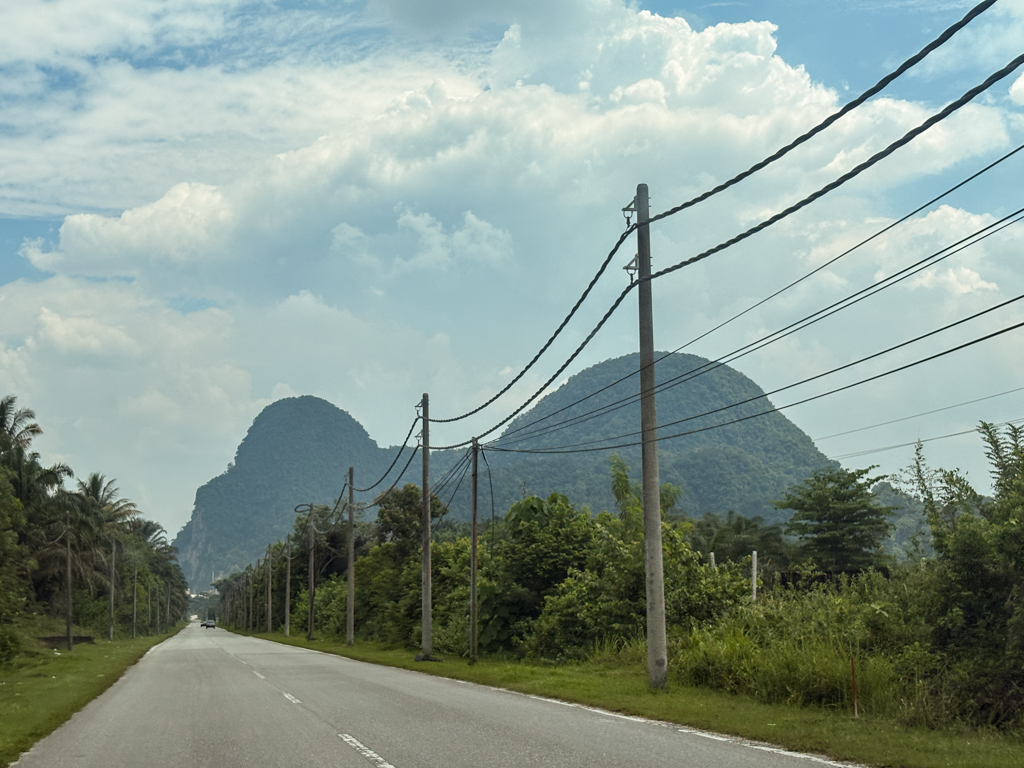
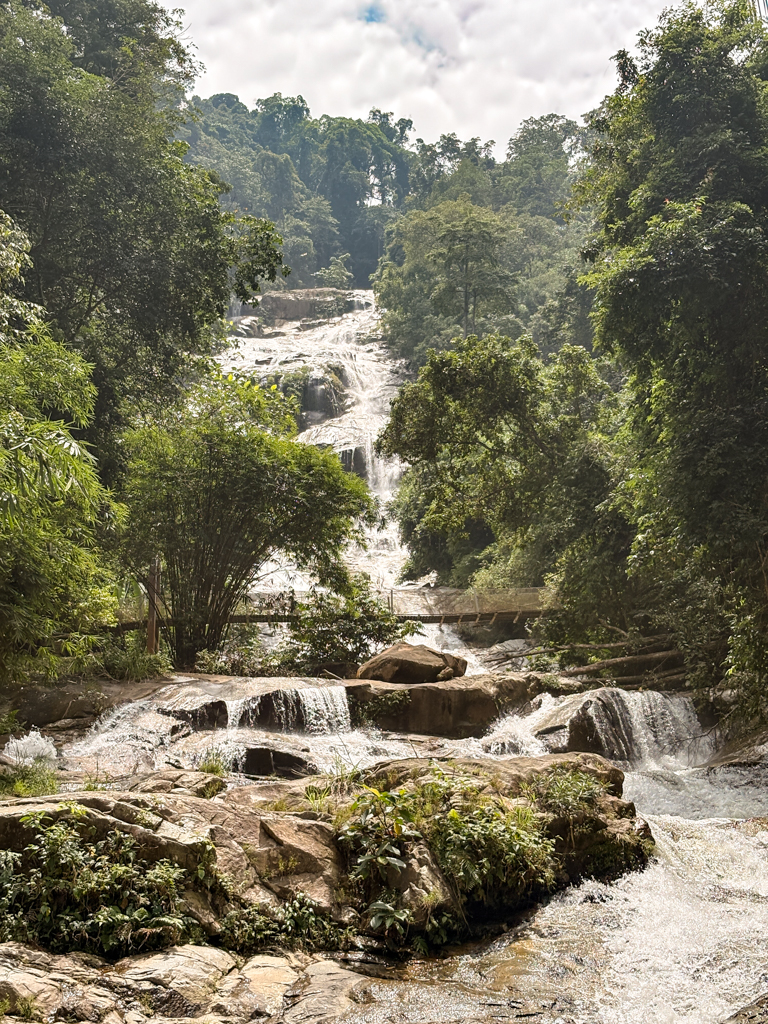
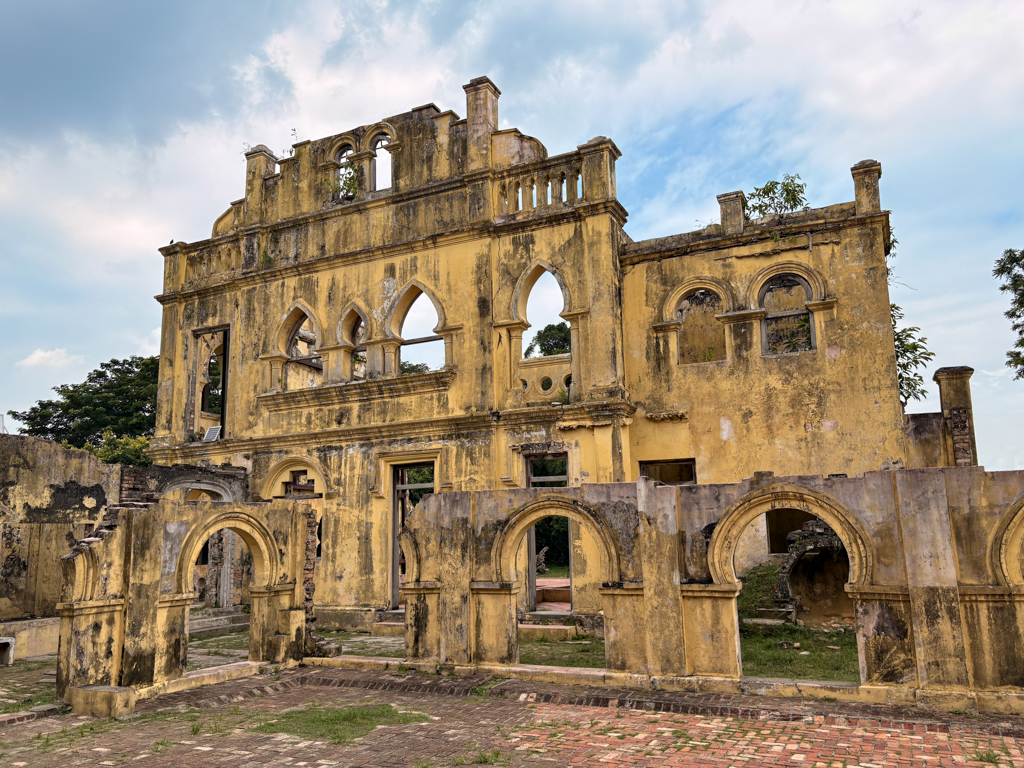
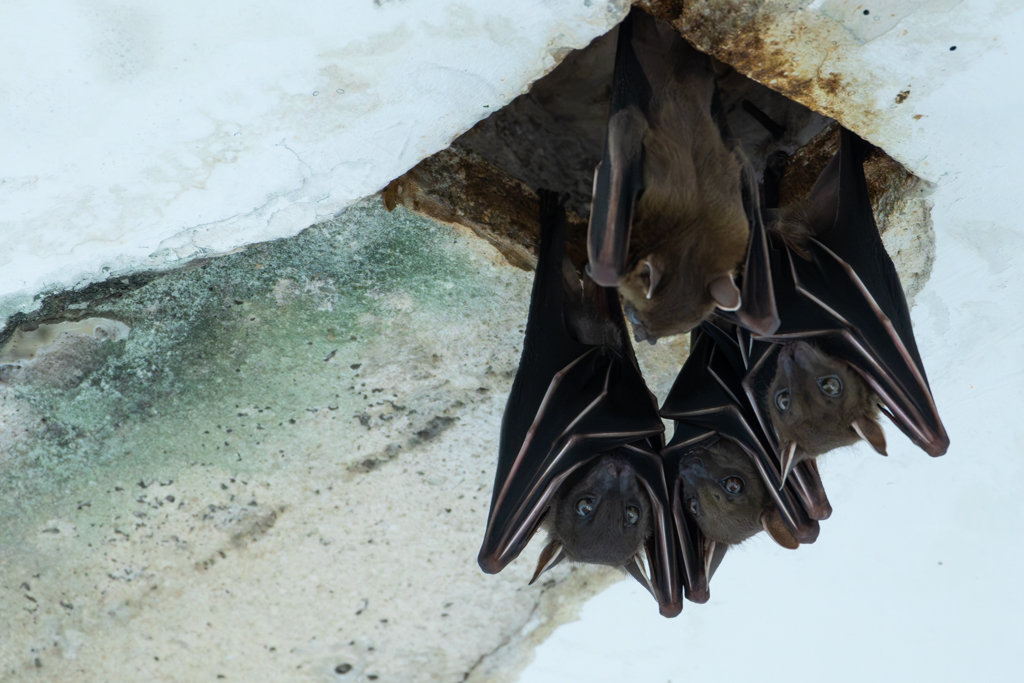
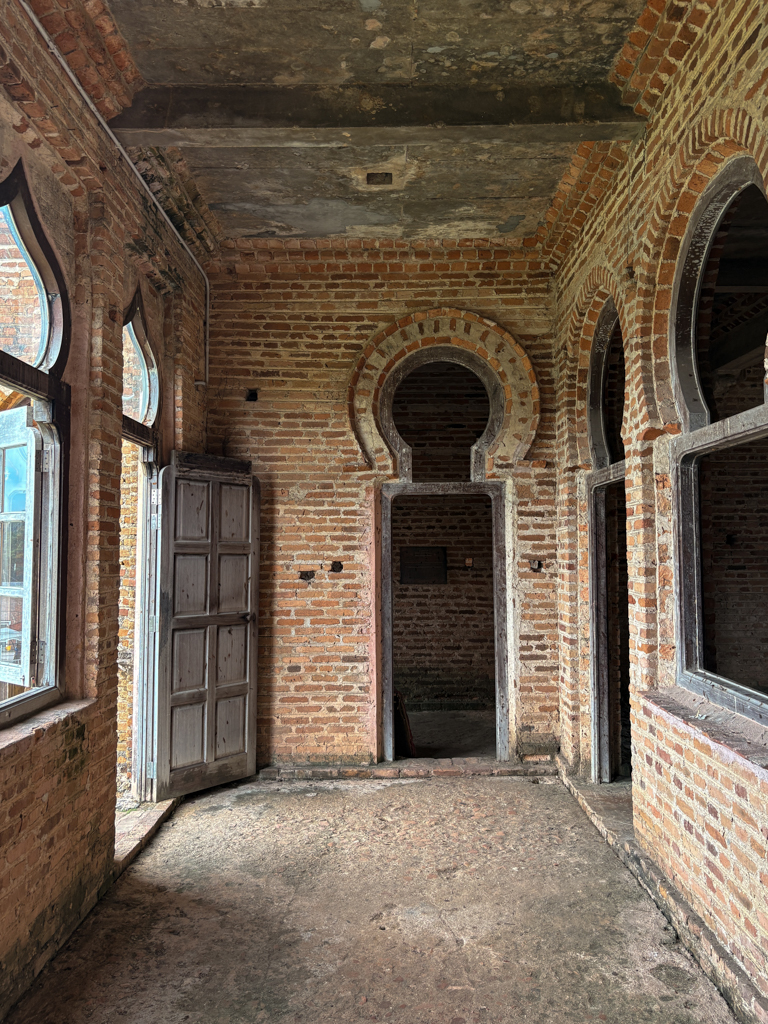
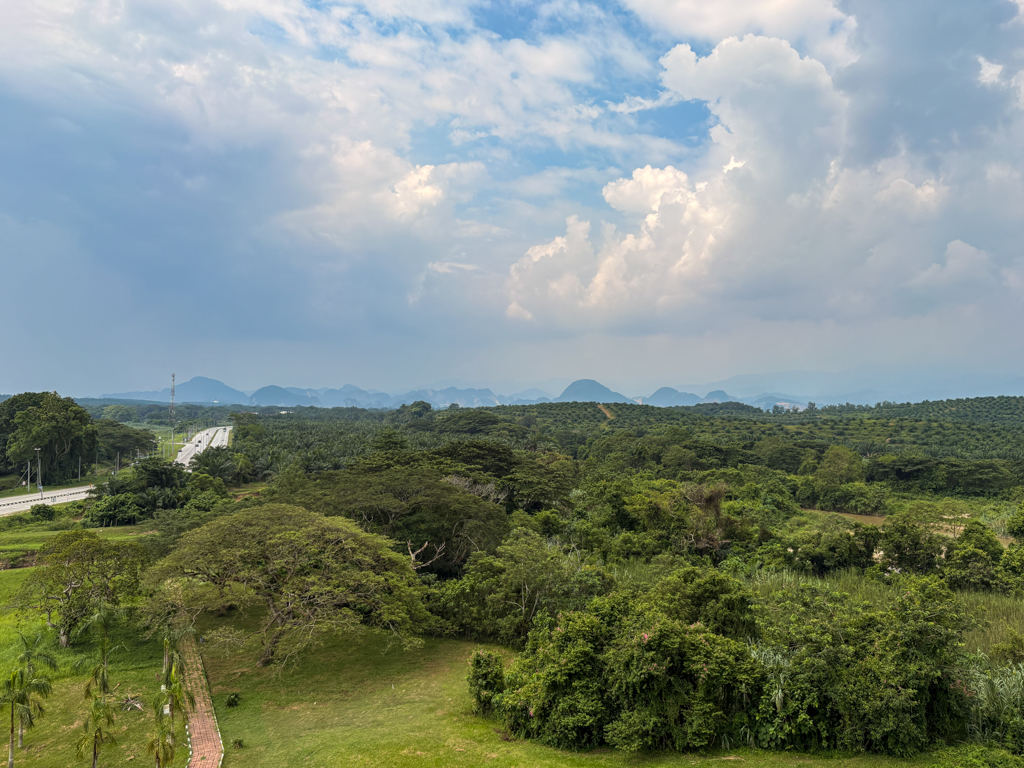
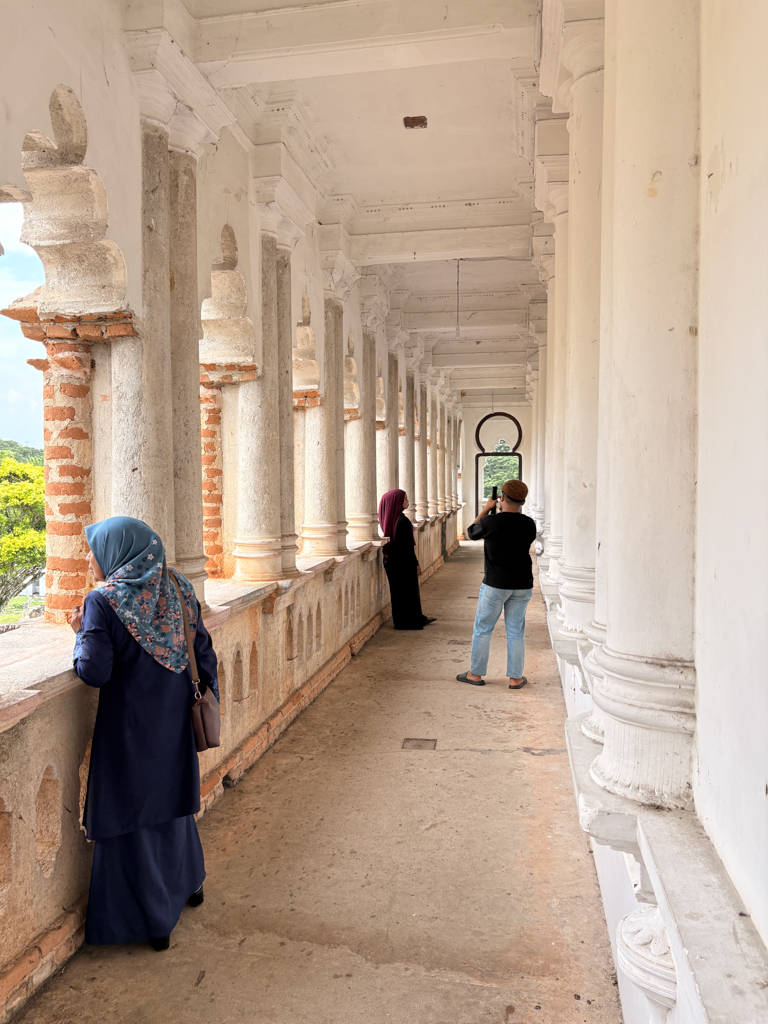
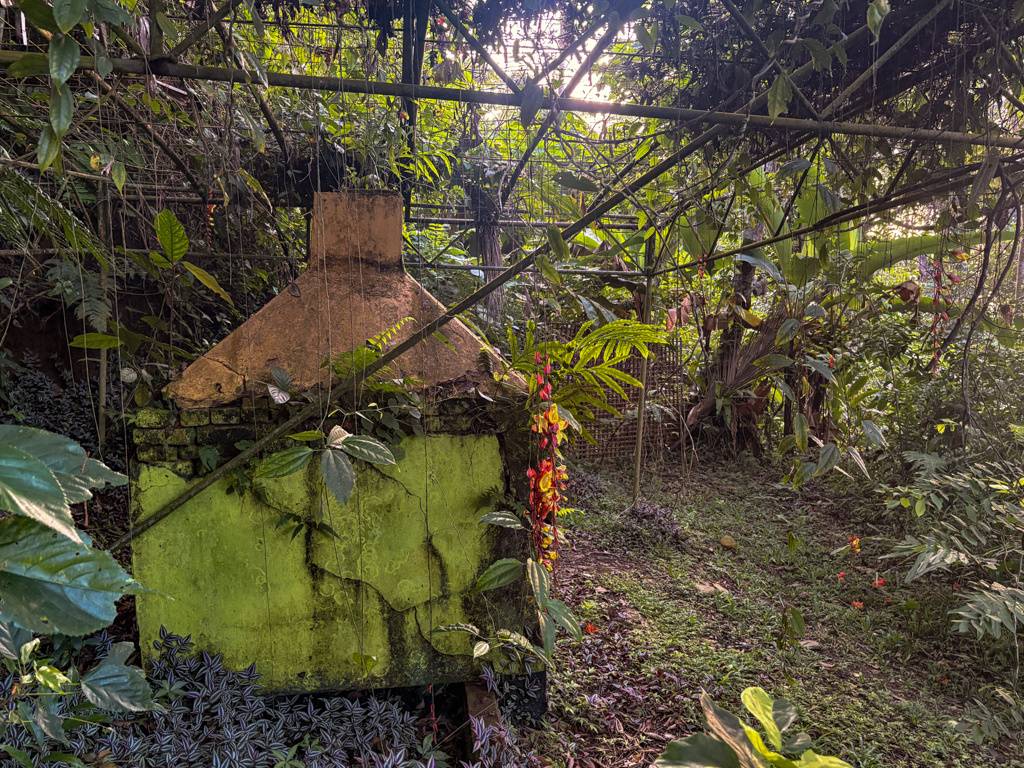
After three busy days in Kuala Lumpur, we hire a car to Ipoh, the capital city of the state of Perak. Along the way we stop at Lata Kinjang, one of Malaysia’s tallest waterfalls. Next up is a visit to Kellie’s Castle, a place I hadn’t previously heard of. This crumbling, unfinished mansion was built in the early 1900s under the direction of the Scottish rubber plantation owner, William Kellie Smith. When Smith died, the project was abandoned. If you’ve ever been anywhere with frequent rainfall, you’ll know that the nature quickly retakes whatever is not meticulously maintained. While it’s now a historic site, the windowless shell of this building is open to the elements, and we found all sorts of interesting organisms taking up residence in the space, including nesting birds, bats, and lush plants growing from the crevices of bricks. From the fifth floor roof, there are sweeping vistas of the surrounding landscape, dotted with mogote hills and oil palm plantations.
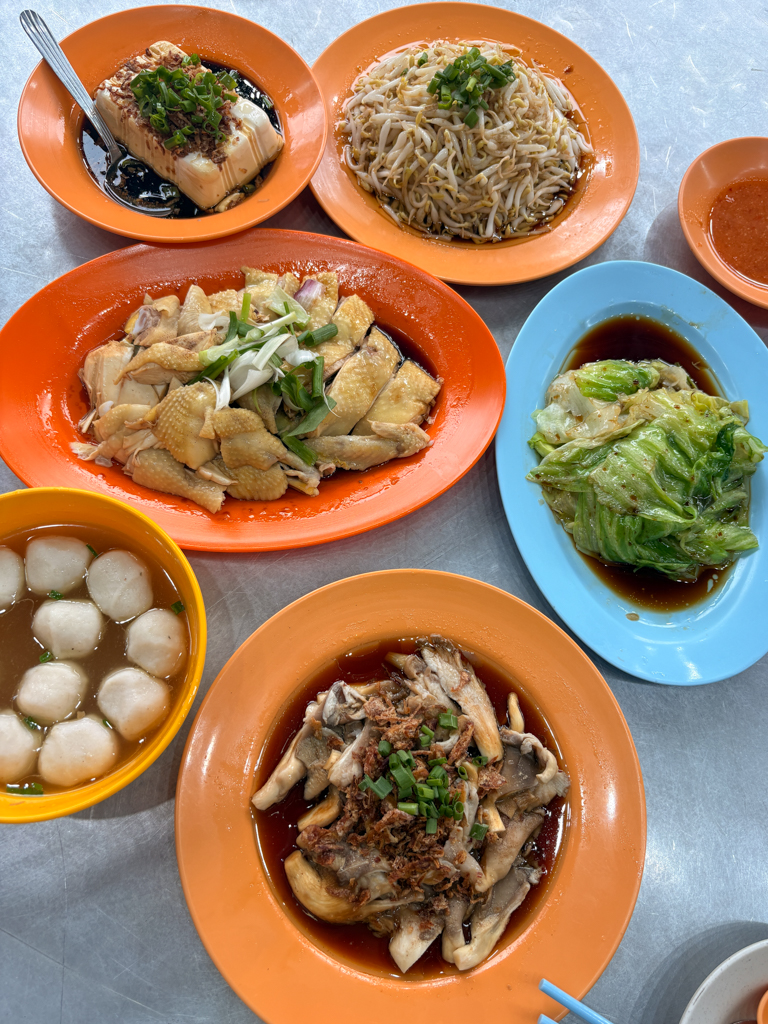
We took a quick tour of Ipoh, which is known for its British colonial-era architecture, coffee, and delicious food. Our dinner at a Chinese restaurant, recommended by a local barista, did not disappoint. I’m only sorry that this portion of the trip was not a bit longer. Both the city and the fanstastic M Boutique hotel needed more time and attention than we had to give them.
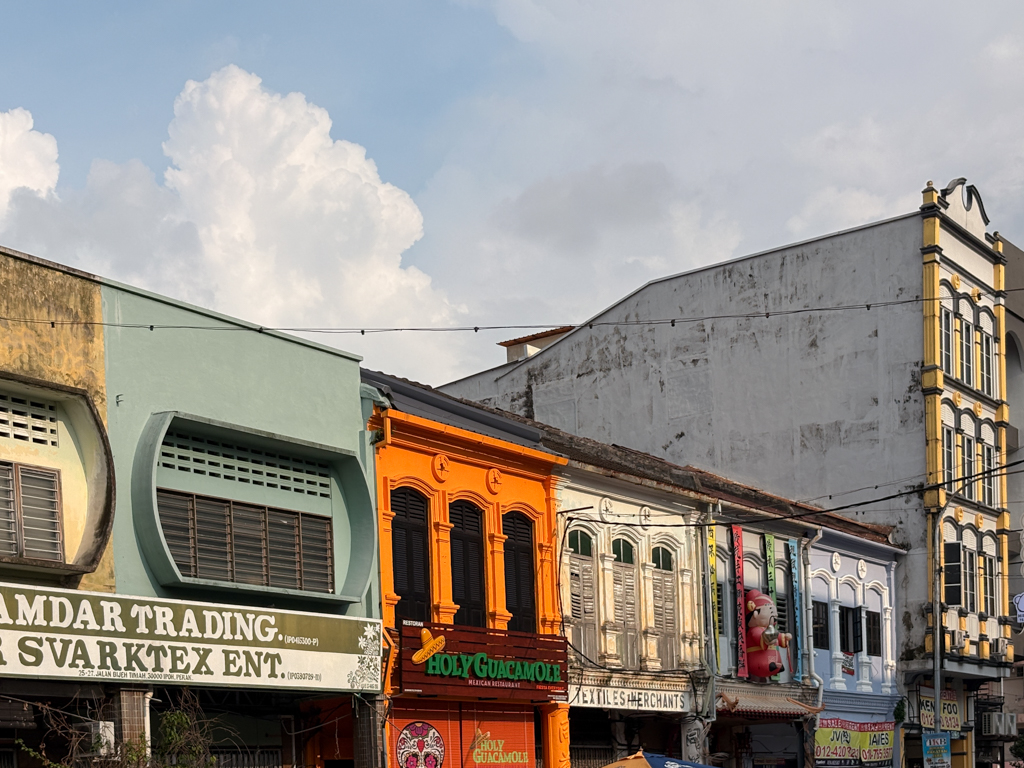
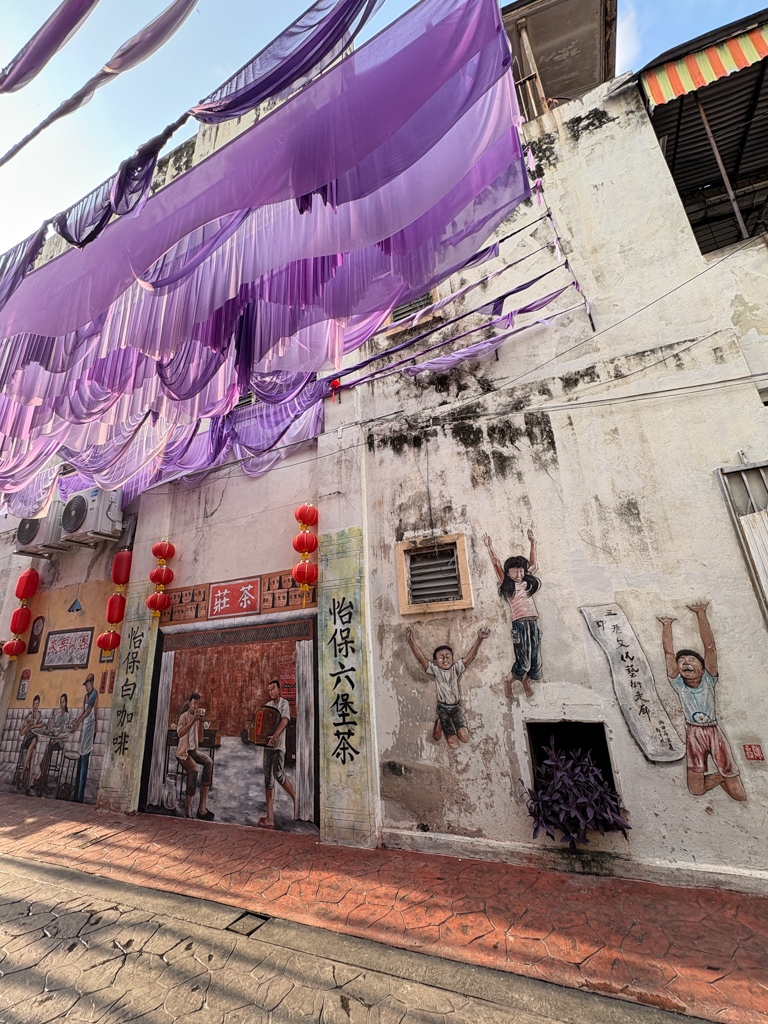
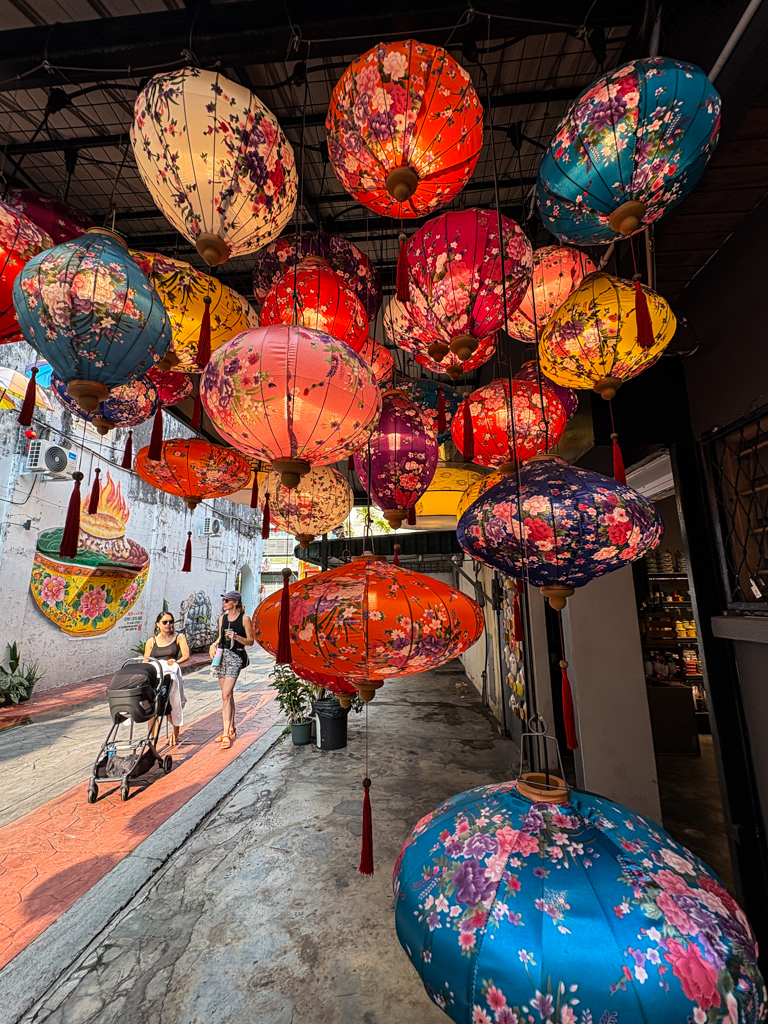
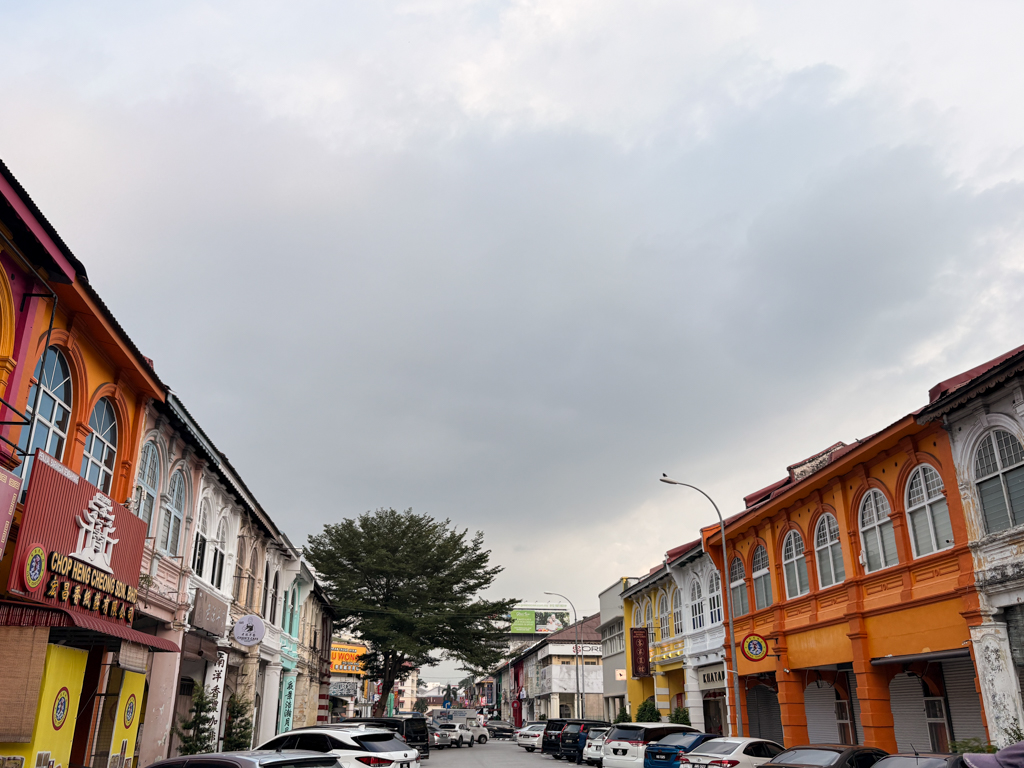
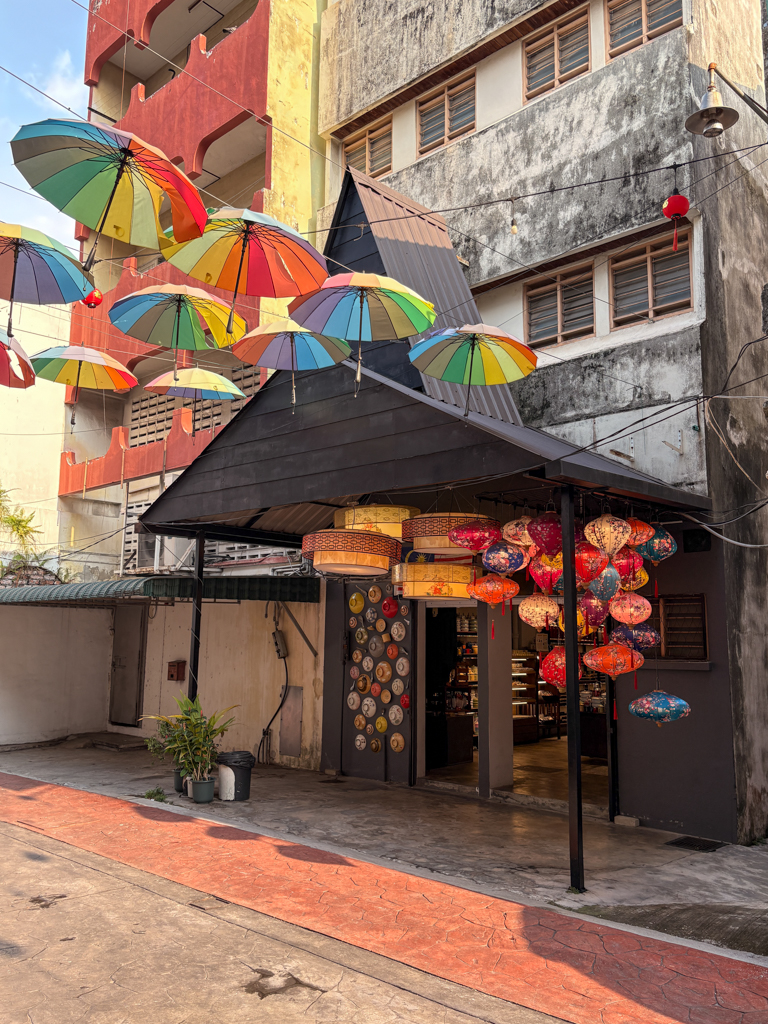
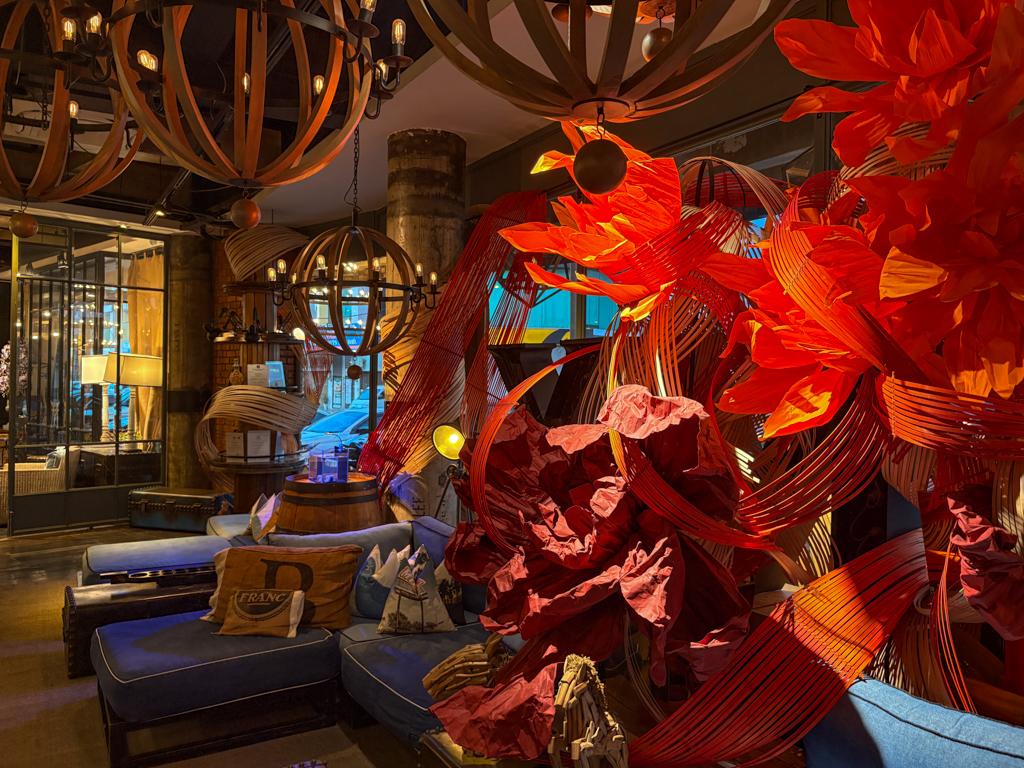
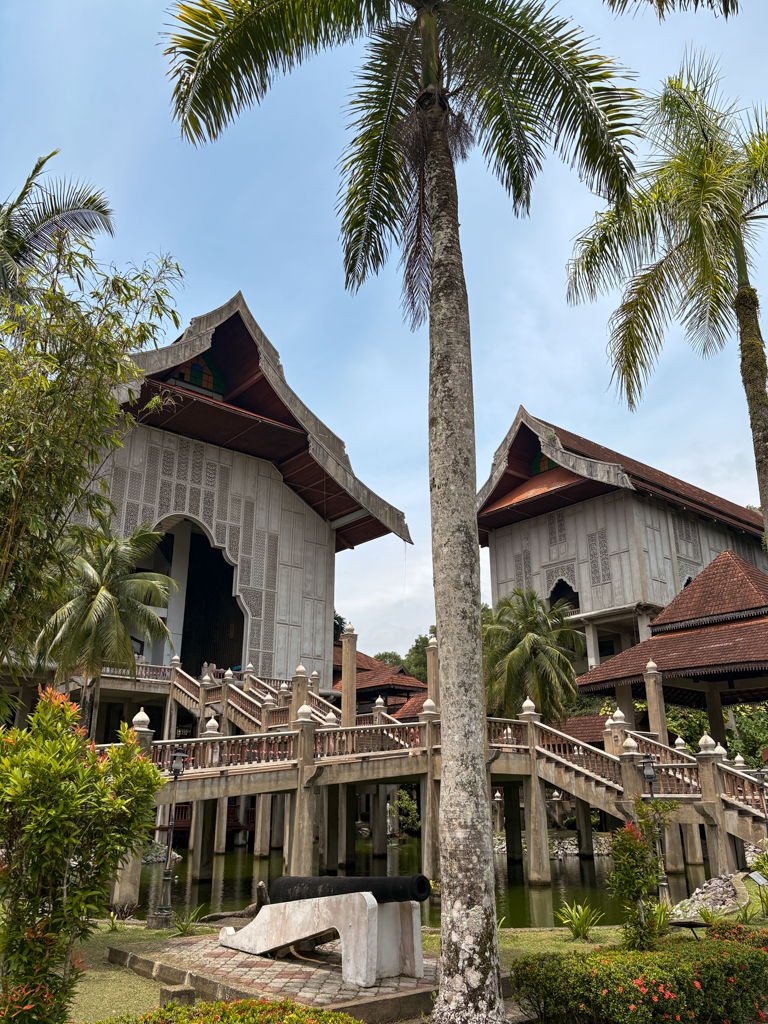
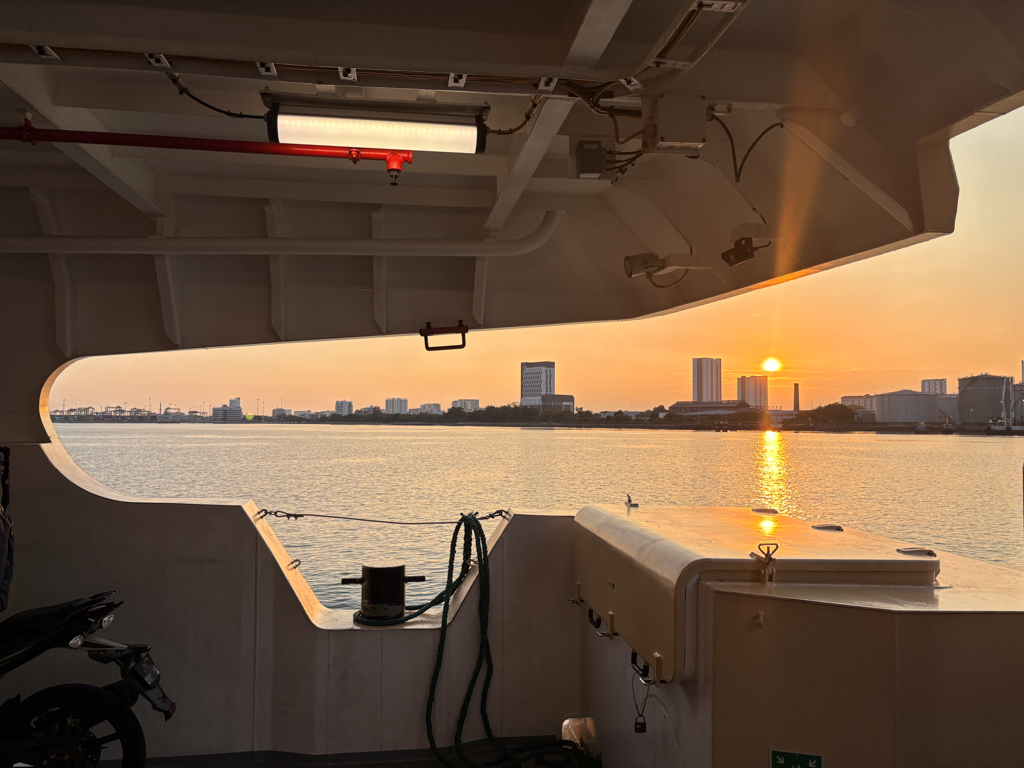
On my own, I head to George Town on Penang Island, the capital of Penang state. There is a bridge to the island, or a quick passenger ferry from Butterworth on the mainland, which is how I arrive. George Town is the second largest city in Malaysia, and its old town is designated a UNESCO world heritage site. I take a rushed tour of the place and stopped at several museums, which is where I pick up most of my cursory knowledge of Malaysian history.
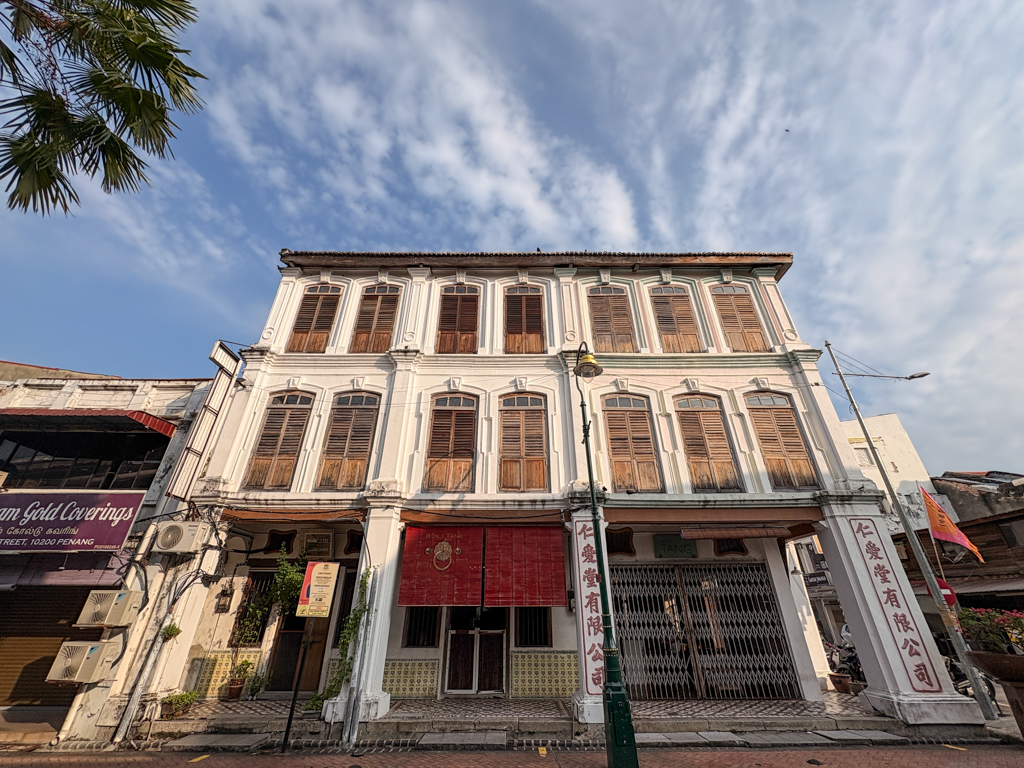
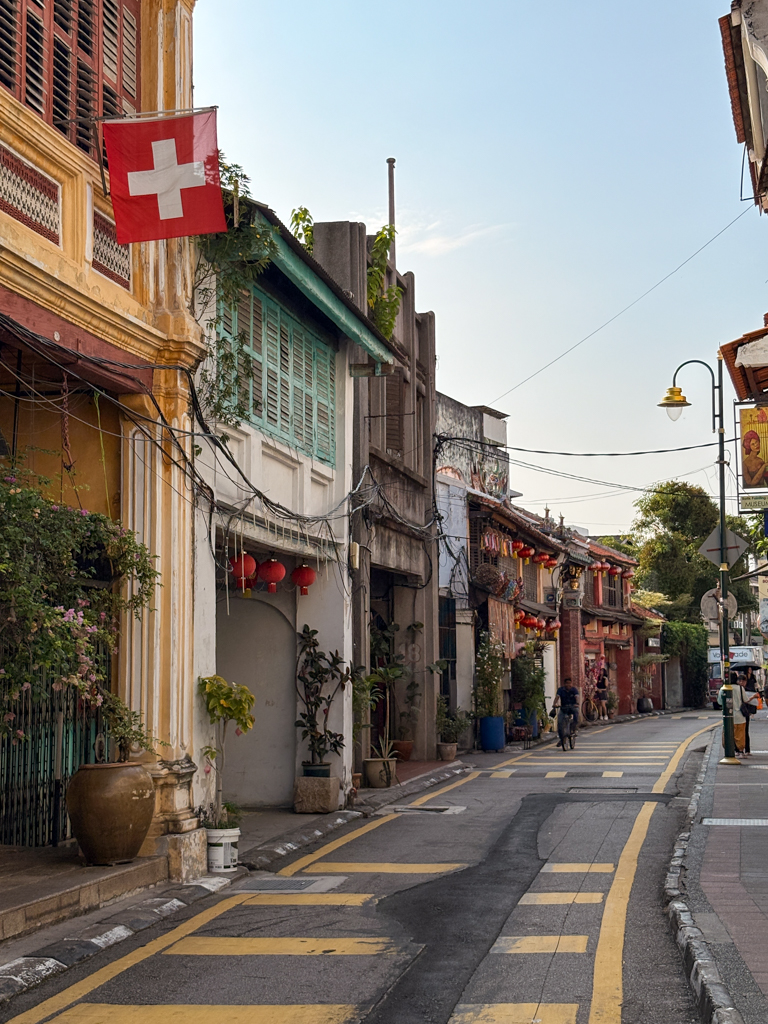
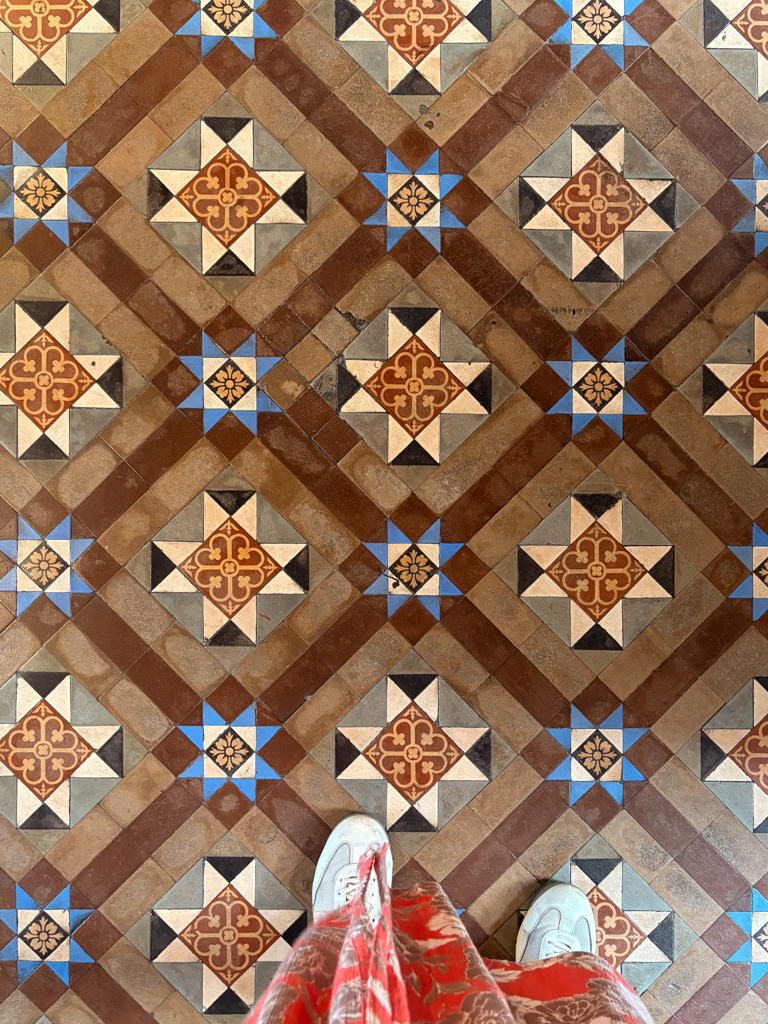
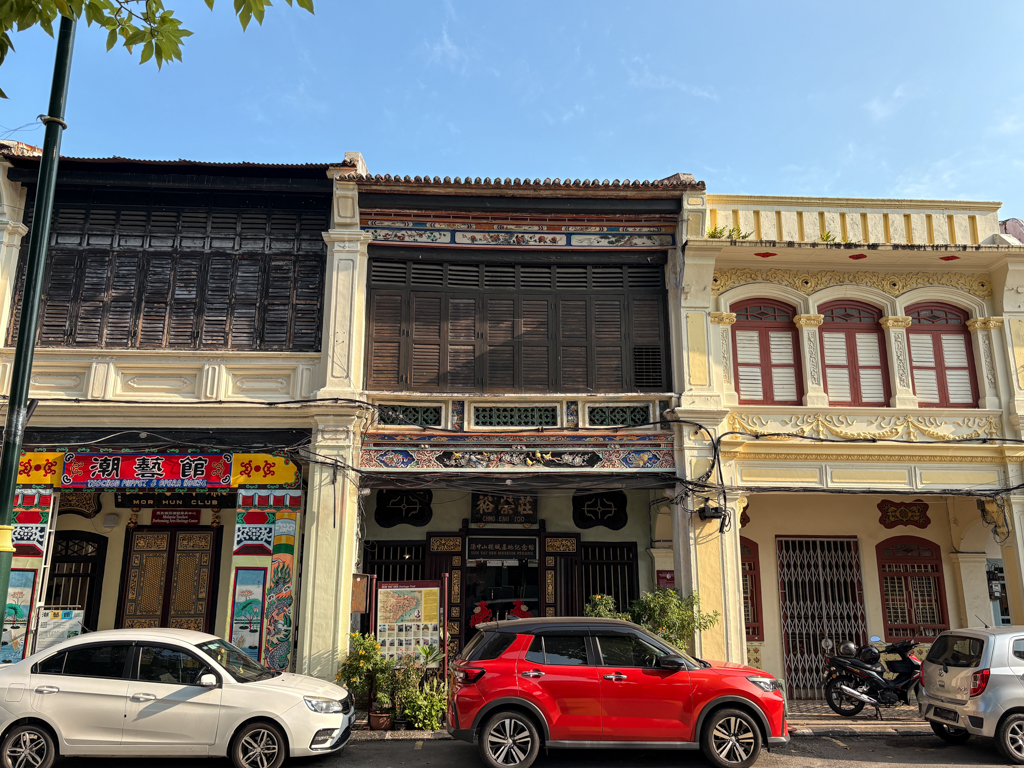
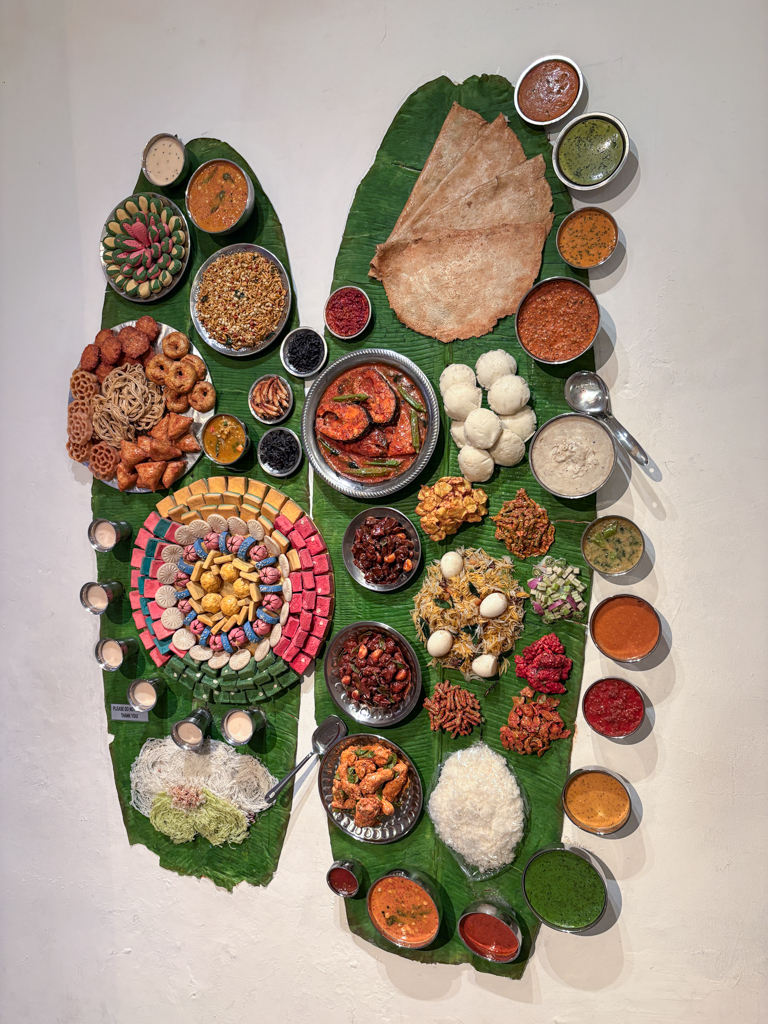
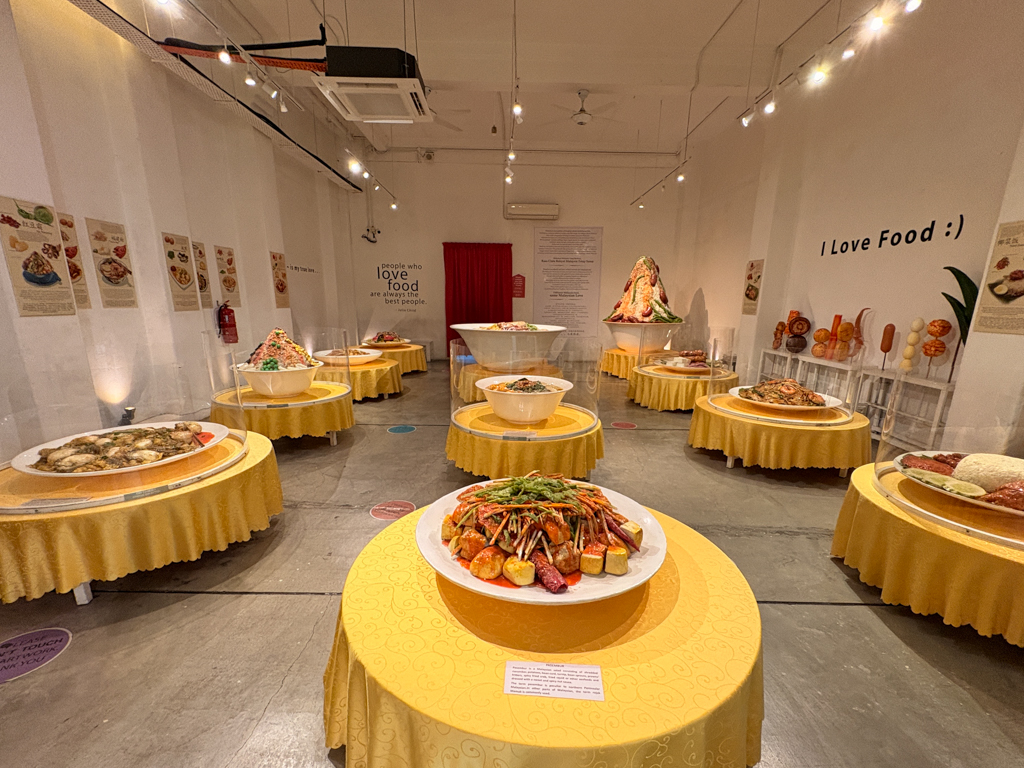
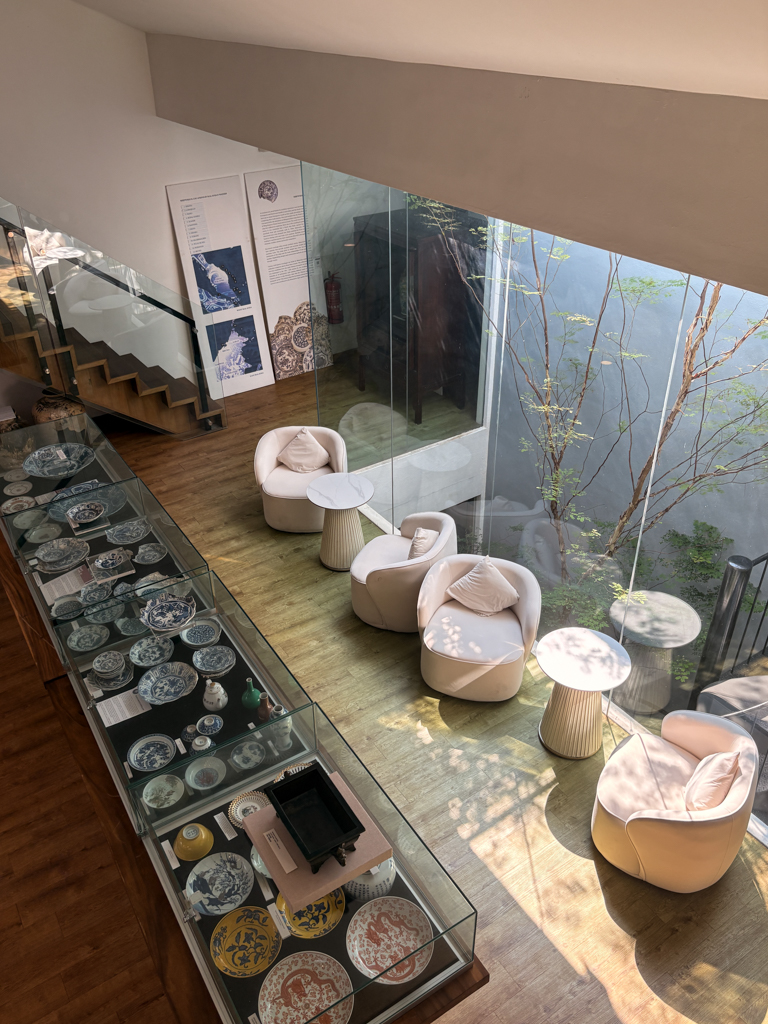
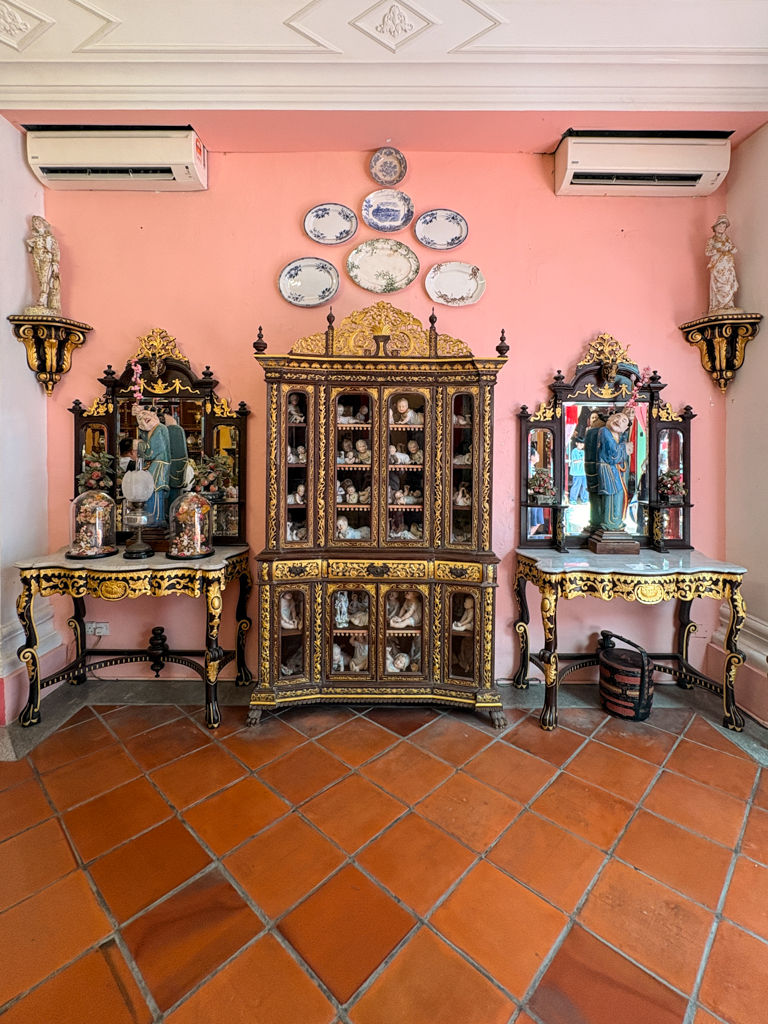
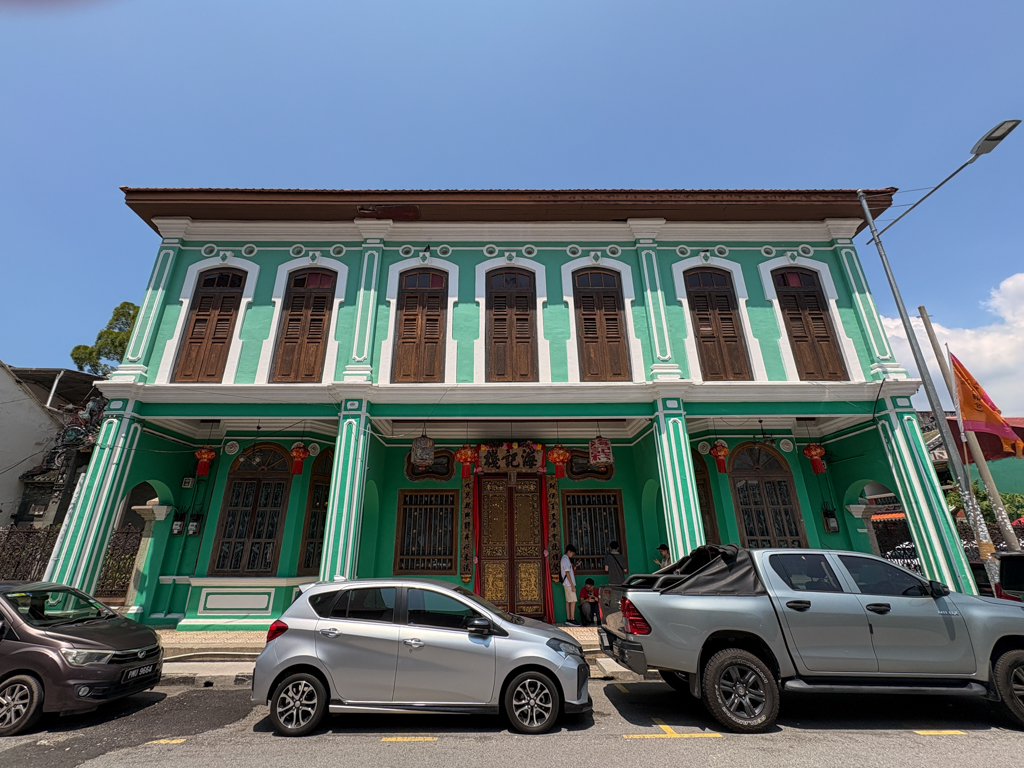
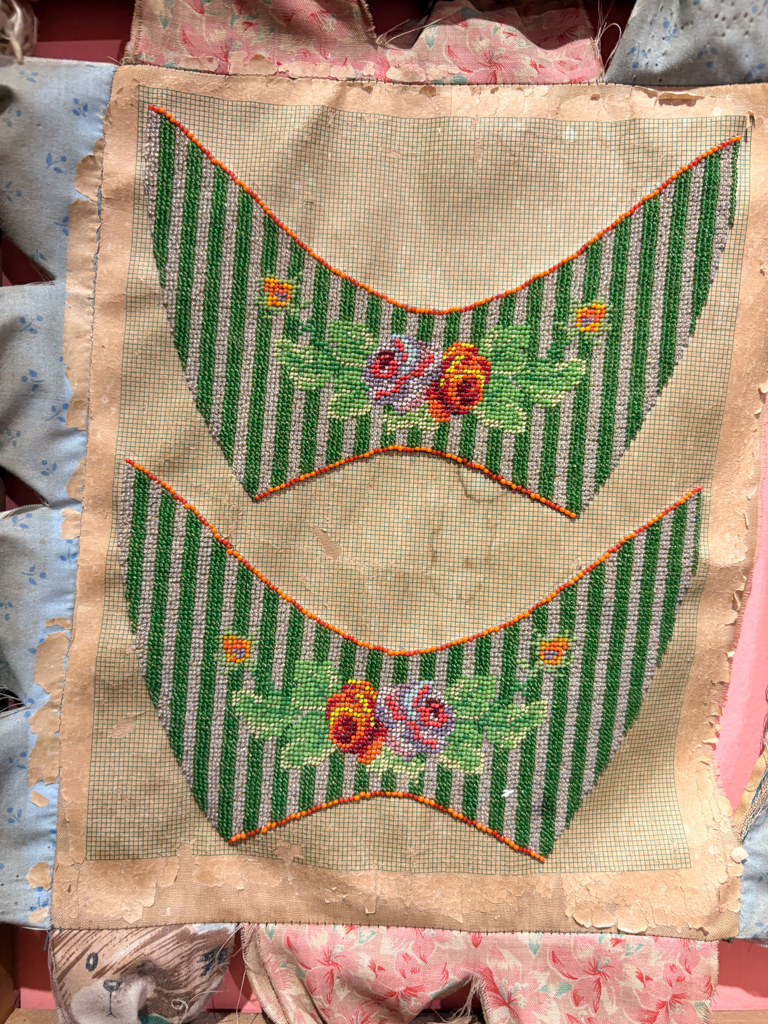
I wish I’d started my trip at the Wonderfood Museum. It contains impressive handmade replicas of many of Malaysia’s most important dishes and tells the story of its layered multicultural cuisine. Snapping photos of these illustrative food guides, I finally know what to order back at the food stall in Marang. The Straits and Oriental Museum tells the history of the the Maritime Silk Road through a collection of ceramics, many of them recovered from ancient shipwrecks. The Pinang Peranakan Mansion recreates the sophisticated lifestyle of a 19th-century Baba Nyona household, including an ancestral shrine and a museum showcasing some truely impressive artisan beading and jewelry, among other things. I spent much of my career designing jewelry, and I’ve never seen glass beads so minuscule, or embroidery so delicate. We look at a case full of decorative slippers. The Baba Nyonya women had big feet, the tour guide explains, as they did not practice foot binding. I glance down at my giant sneakers and smile to myself – big feet is relative.
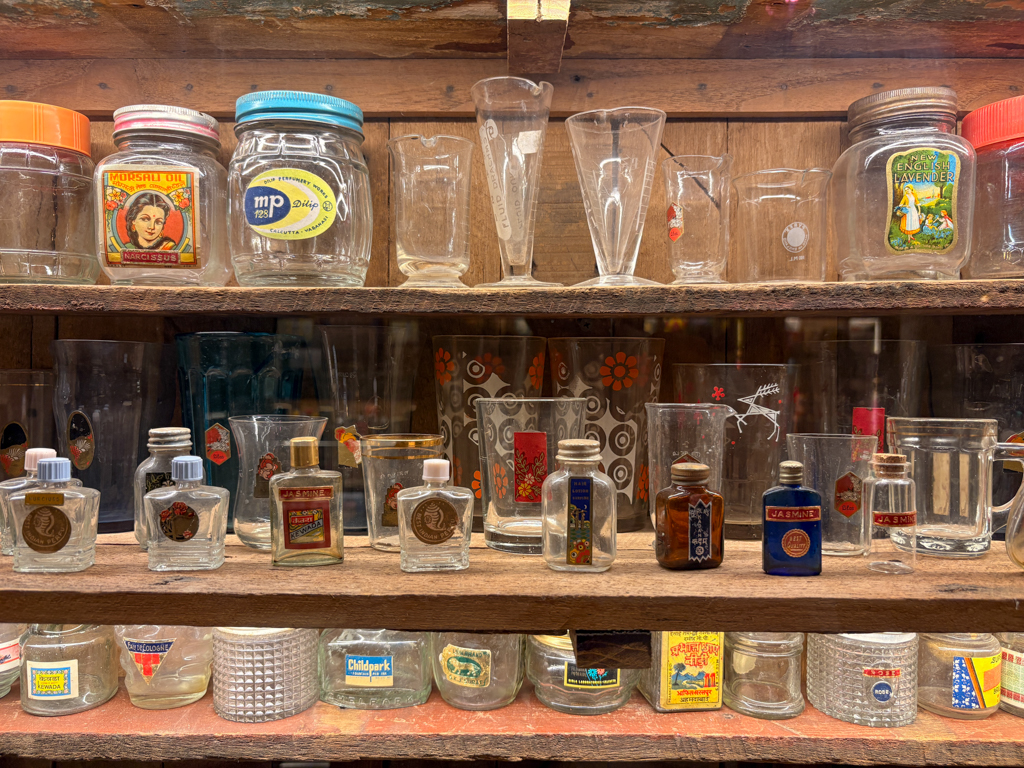
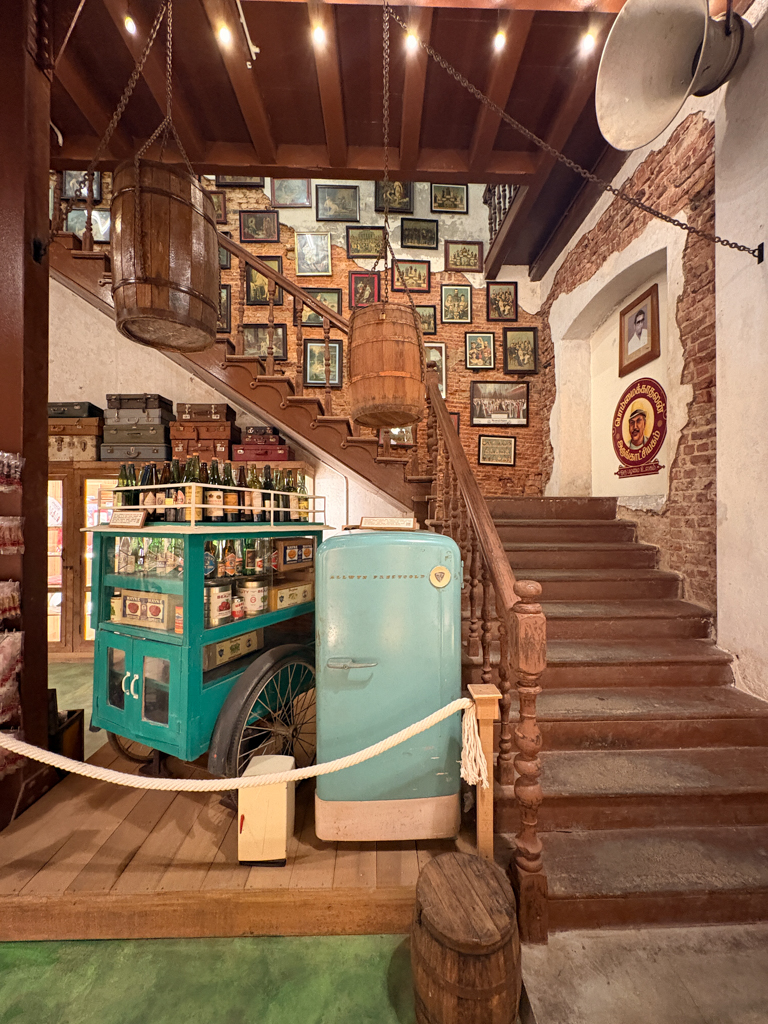
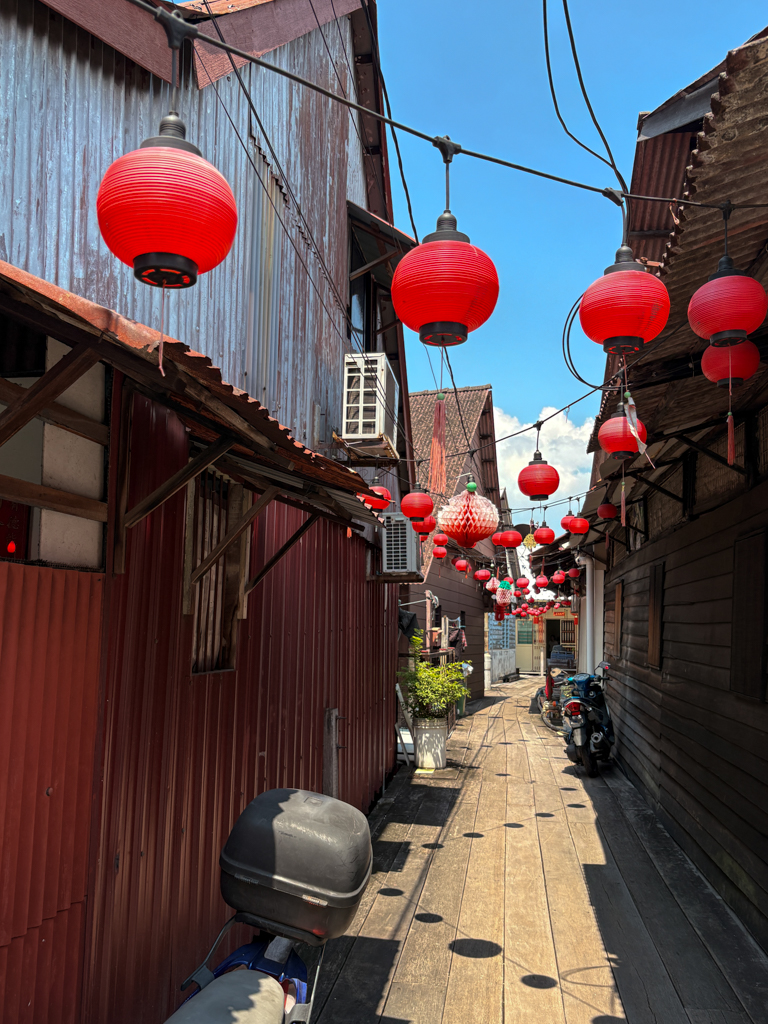
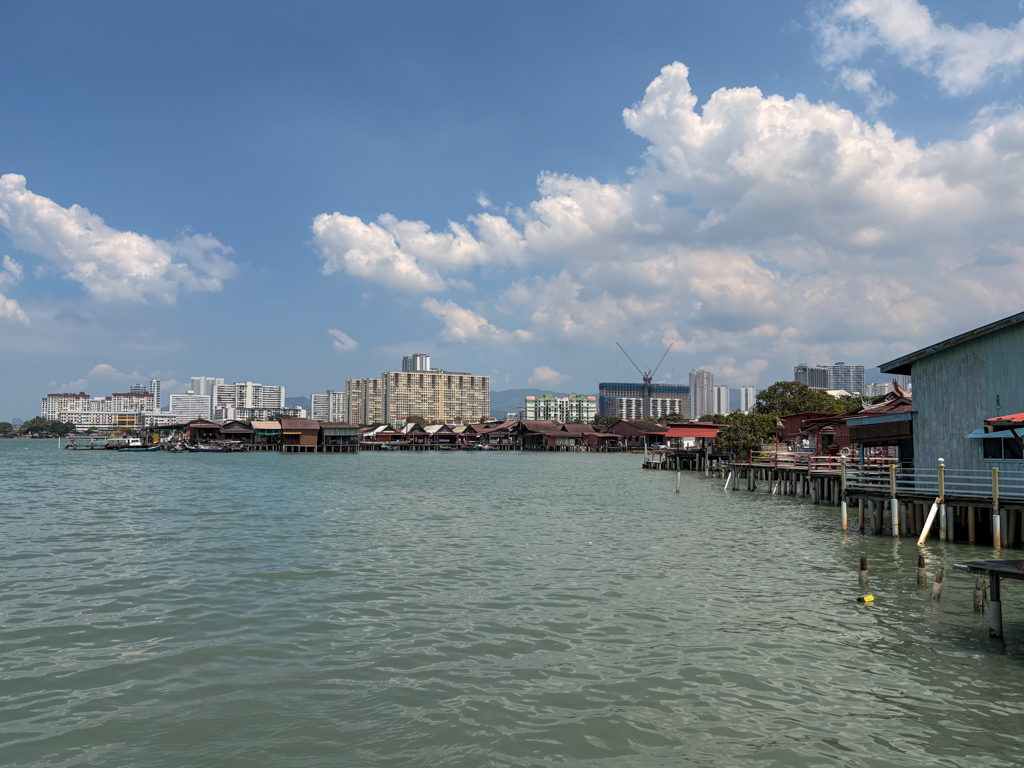
The Indian Heritage Gallery is lined with meticulously organized collections of objects from the Indian community in Penang and greater Malaysia. Some look recognizably Indian, but others, such as a collection of antique Coca-Cola memorabilia, could be from anywhere in the world. I suppose this is anywhere in the world. I’m not sure what to make of them, I wish I had more time to stay and read. Outside of museums, the Chew and Lim Clan jetties along the waterfront also offer a glimpse into yet another of the distinct cultures and lifestyles that make up modern Malaysia. The clans still live there to this day, in homes that hover above the water – where they do not have to pay property taxes to the government.
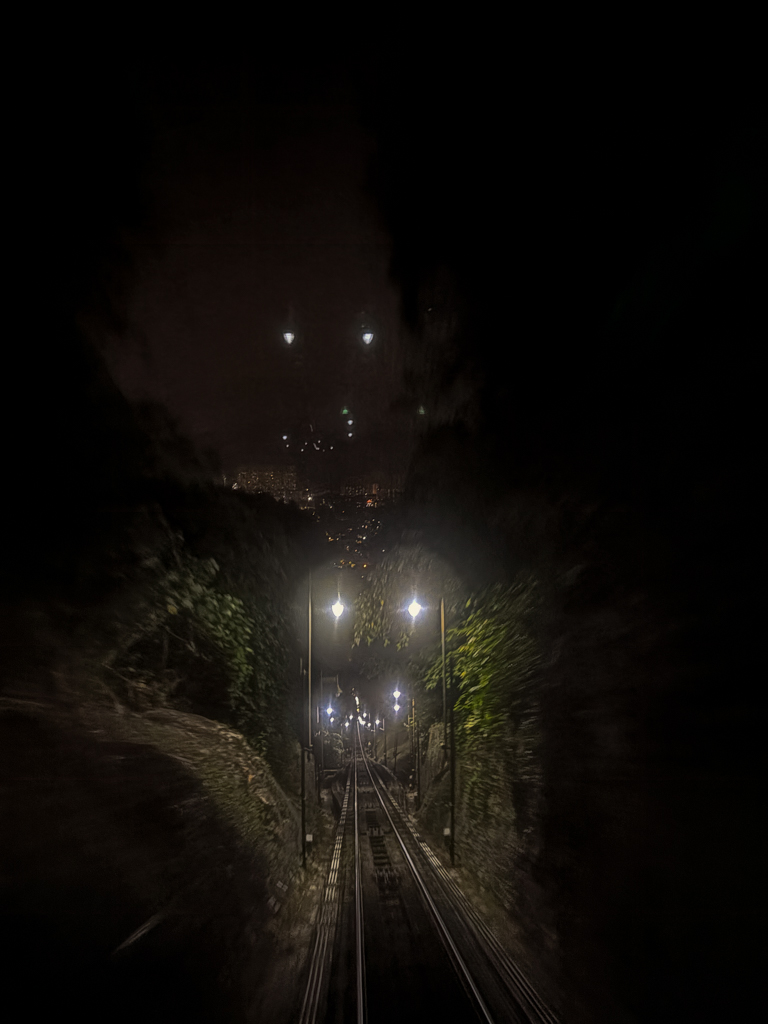
For the last day, I catch wind of a funicular train station at the base of Penang Hill that whisks travellers up to a panoramic view of the city from lush treetops. With my few remaining morning hours, I take the earliest ride to the top, where I hope to catch the sunrise and visit the treetop canopy walk before heading down the hill a few hours later for my flight. Once there, I find that the canopy walk does not open until my intended departure time. Feeling a bit dejected by that and the lacklustre sunrise, I wander some of the paths and trails that dot the hilltop.
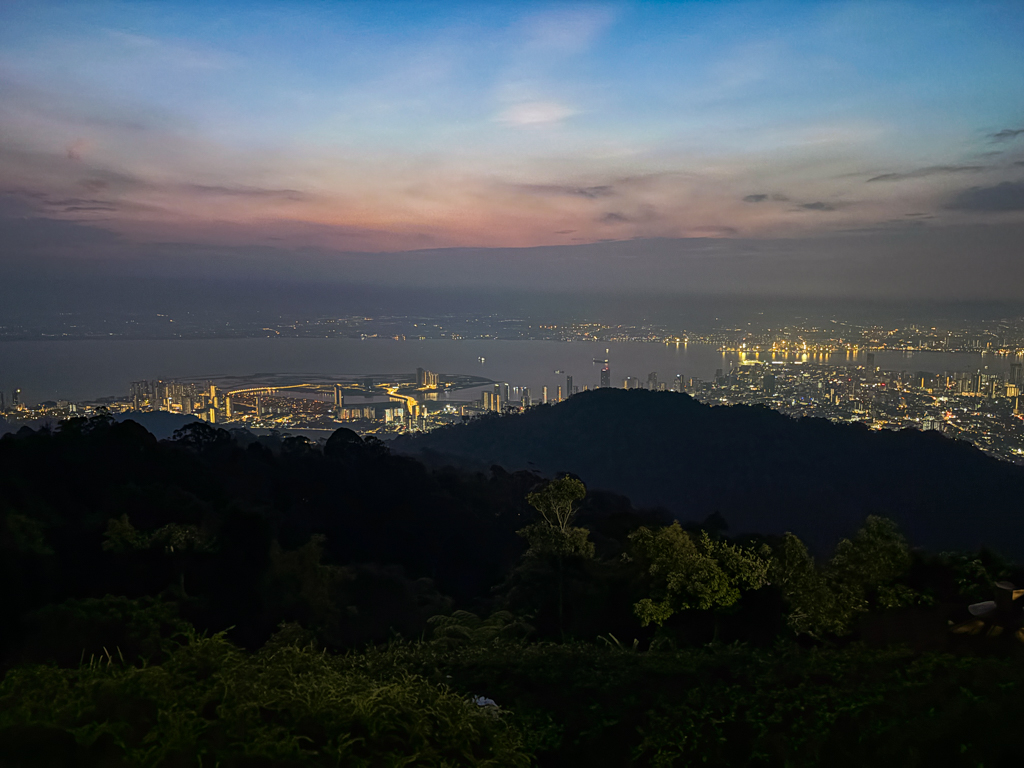
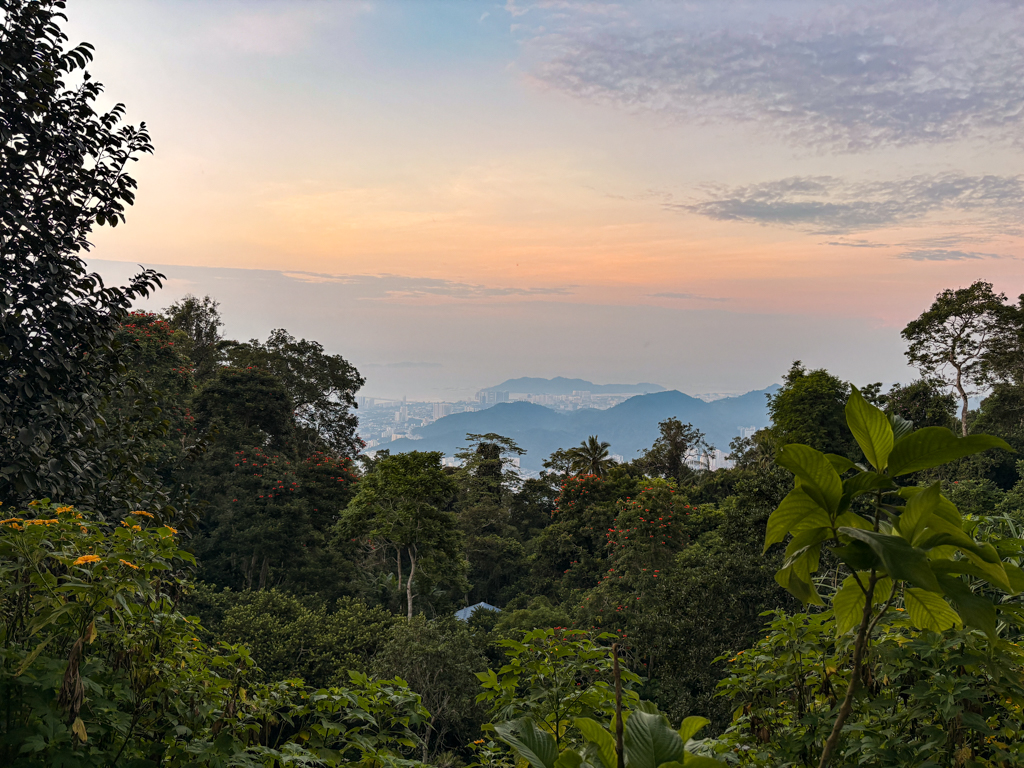
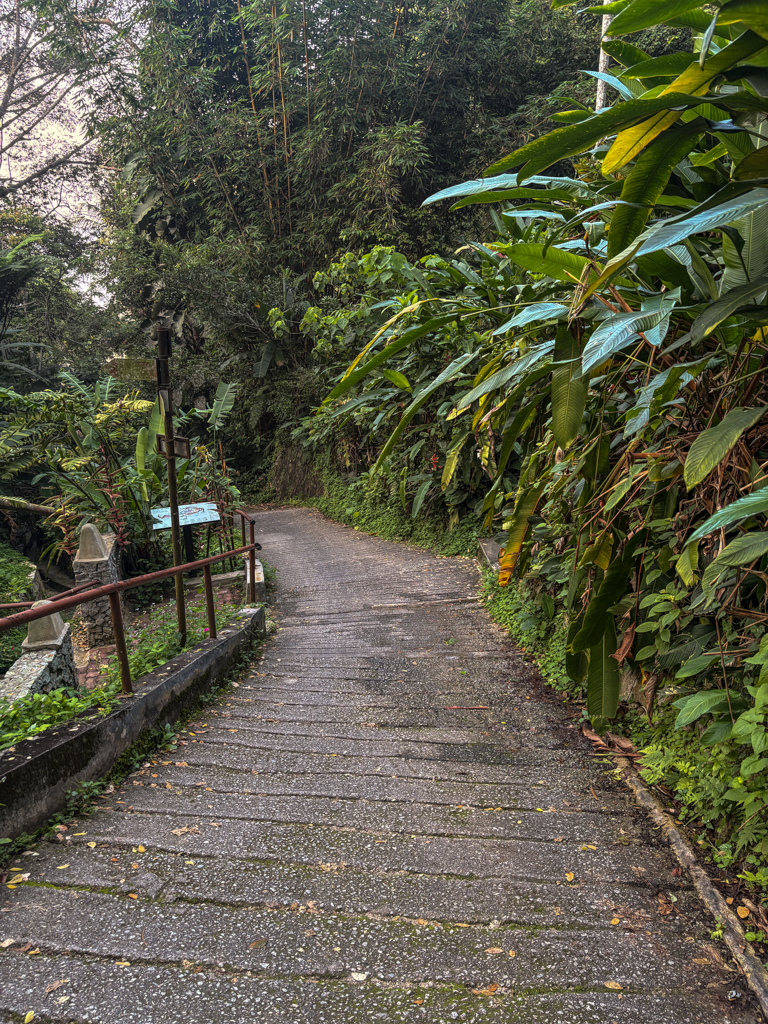
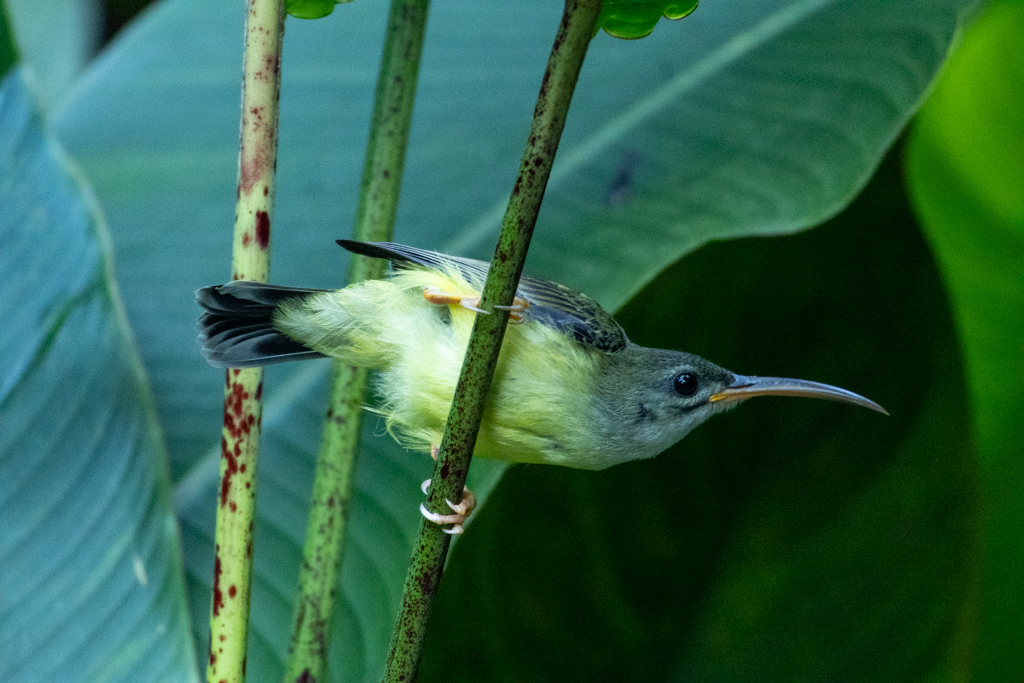
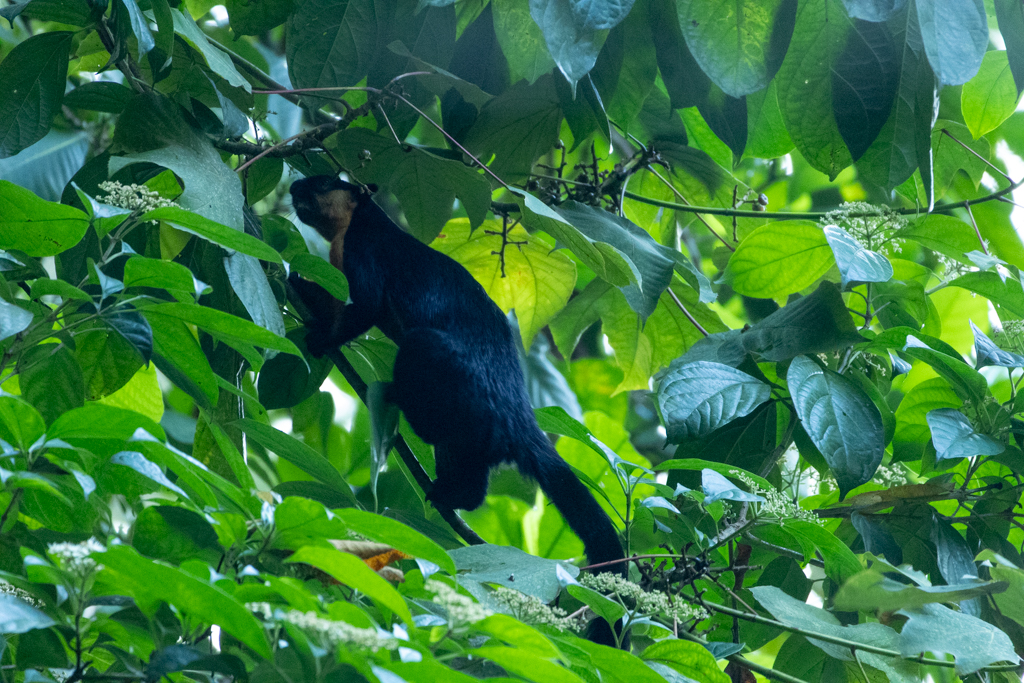
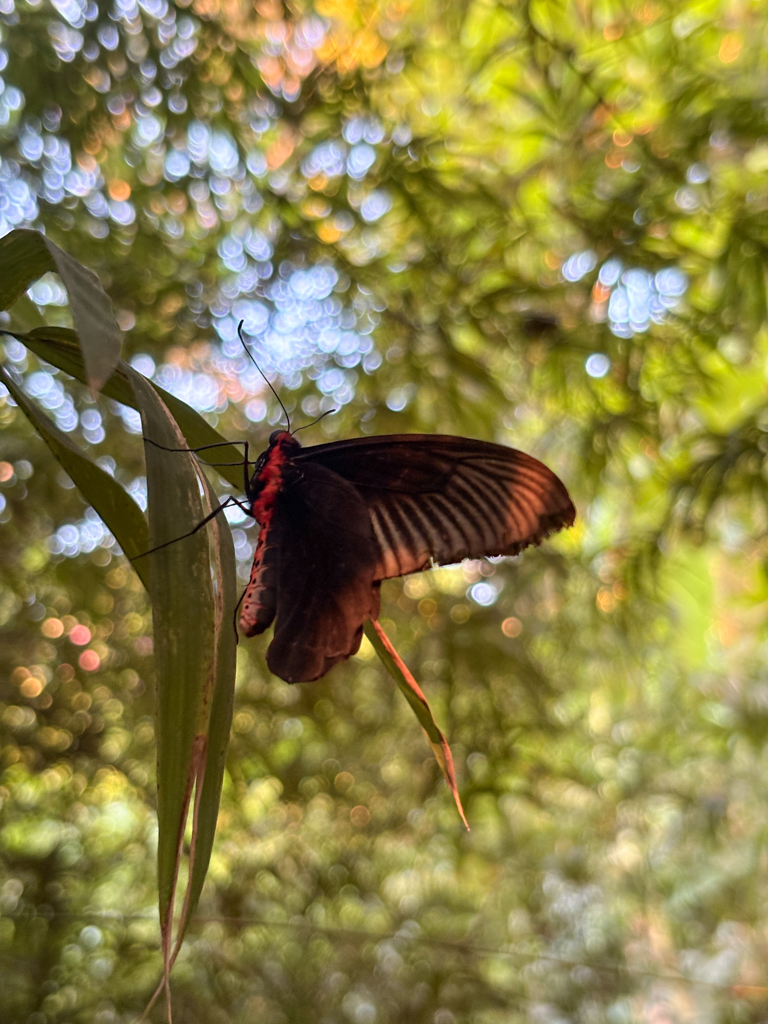
At a bend in the trail, I stop and sit on a sun-soaked bench overlooking the path below and a sweeping view of the city as it fades around the edges into distance and morning fog. The first thing to catch my attention is a furious chatter from a nearby tree. Something dashes about through the branches. I poise my camera and hold my breath, but cannot catch it. There are two, they are chasing one another, in fight or in play I cannot tell. Later, I learn they are tree shrews. Bats still linger in the dark corners of the morning shadows, and I duck to avoid one that comes too close for comfort as it chases after an insect. The trail is steep and the air hot and muggy even at this early hour. I pause often to rest, and when I do, I’m treated to a choir of bird song and drone of insects. I spot dozens of birds and butterflies, and then, in the quiet blue of a tree-lined ravine, a giant black squirrel.
This trip came up unexpectedly and on short notice, and it was only through a wonderful convergence of pre-planned vacation time (sorry, campsite) and a supportive spouse who offered early birthday money (and taking on the duties of caring for my elderly dog) that I was able to swing it. I feel so fortunate to have experienced the place. I’m left with the sense that I saw such a miniscule portion of what Malaysia has to offer, and that I’ve got so much more to learn. Thankfully, I took a few notes.
 Emily Grace Goodrich